How Does an EV Charger Work?
If you've just bought an electric car, or you're thinking about it, charging is probably your biggest question.
How does an EV charger work? How long does it take? And what will it cost?
The good news is that charging at home is simpler than filling up with petrol. You plug in when you get home, and your car is ready when you need it. This guide explains how it all works, in plain English.
What is a home EV charger?
A home EV charger is a unit mounted on an outside wall or post near where you park. It connects to your home's electricity supply on its own dedicated circuit and delivers power safely to your car. A dedicated home EV charger is faster, safer and smarter. Not to mention significant savings compared to public charging points.
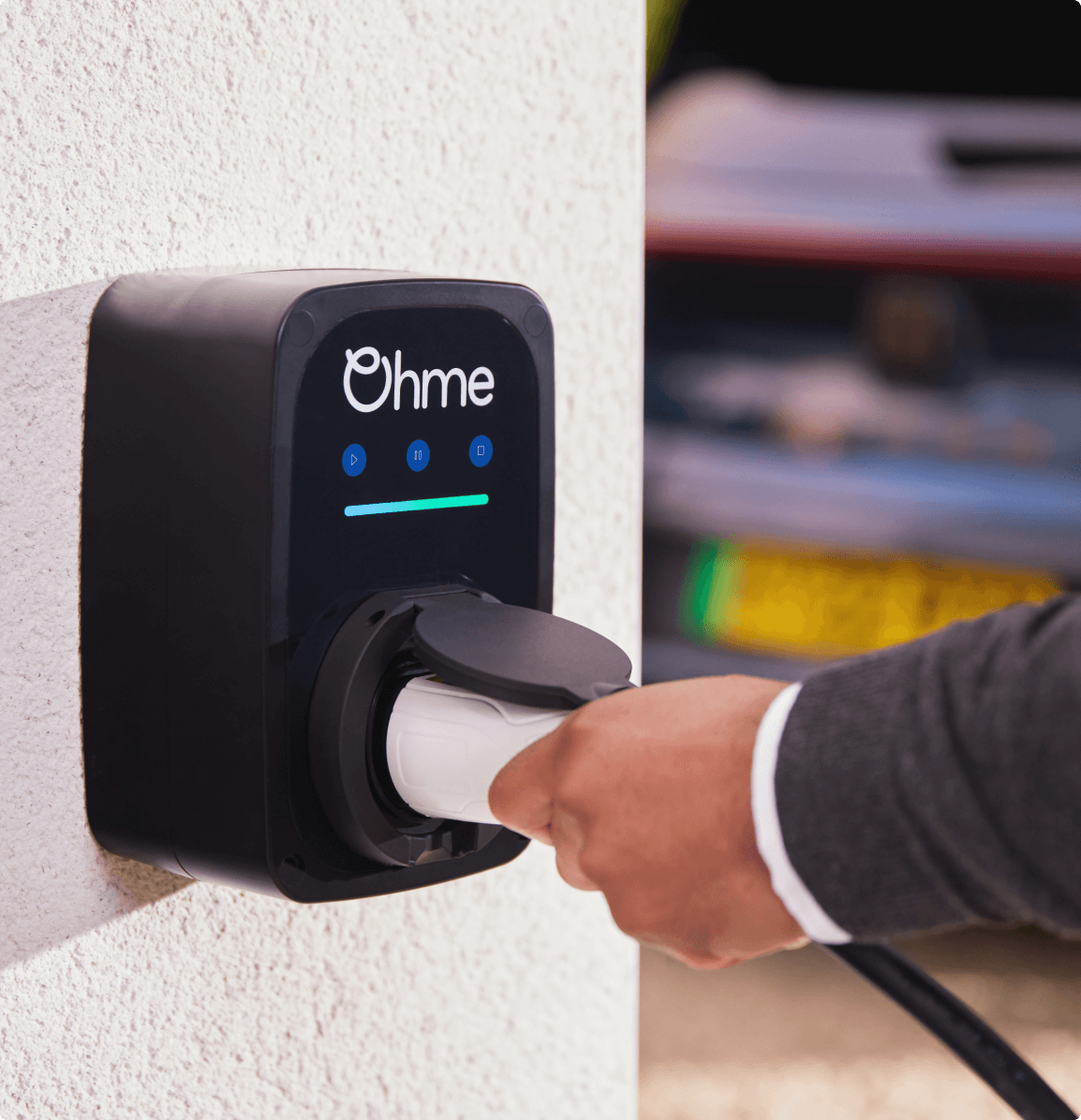
[Pictured below: Ohme ePod untethered].
How does an EV charger work, step by step?
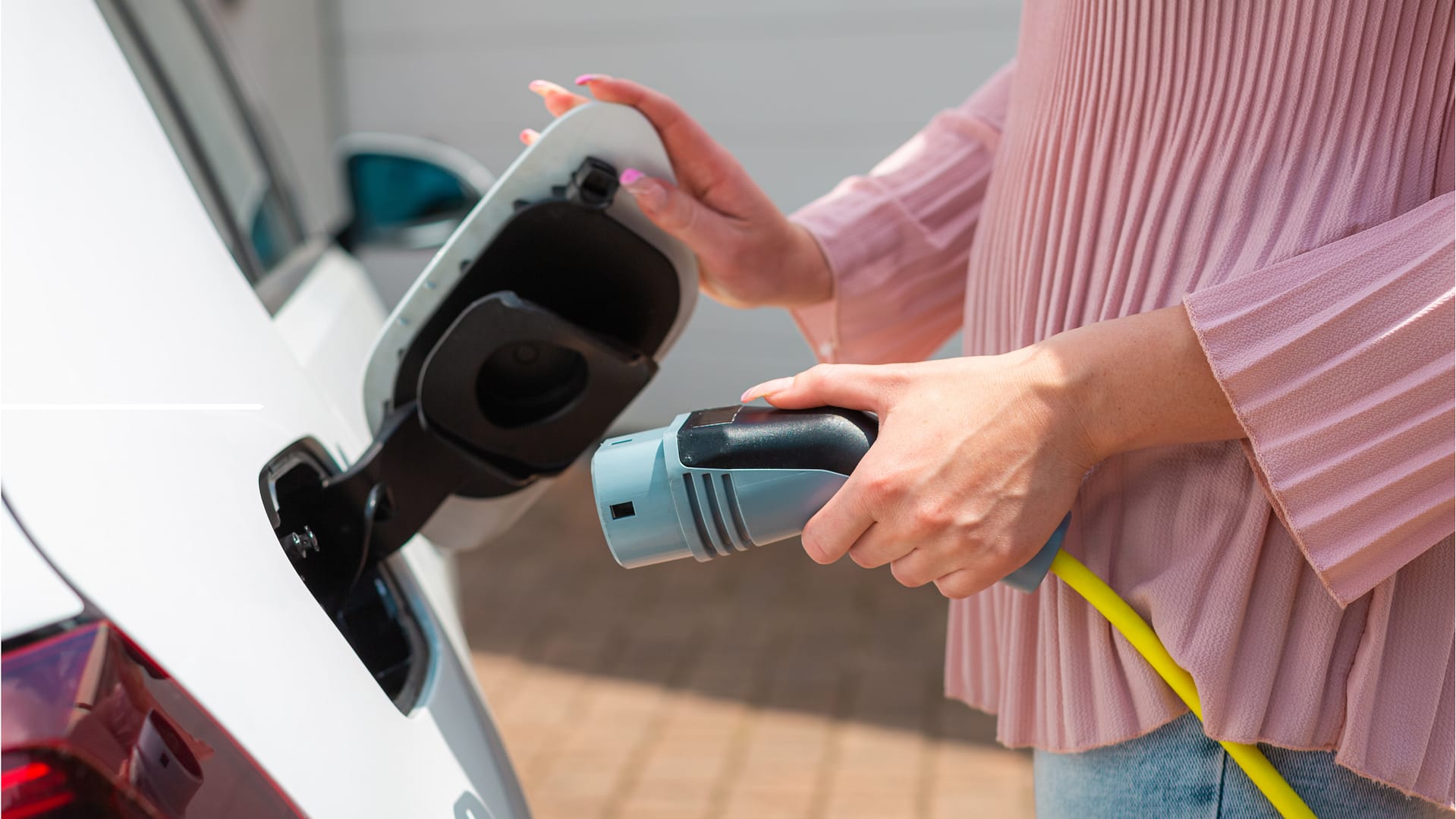
1. You plug in. Most UK electric cars use a standard Type 2 connector. Some chargers have a cable attached (tethered). Others have a socket, and you use the cable that came with your car (untethered).
2. The charger and car talk to each other. Before any power flows, the charger and car run a quick safety check. They agree how much power the car can take and confirm everything is connected properly.
3. Power flows into your battery. Your home supplies AC (alternating current) electricity, but batteries store DC (direct current). Your car has a built-in converter, called an onboard charger, that turns AC into DC as it charges.
4. Charging slows and stops automatically. As the battery gets close to full, charging slows to protect it, then stops. You can't overcharge your car by leaving it plugged in overnight.
Charge now, charge smart or charge from the sun
All new home chargers sold in the UK must be smart chargers. That means you control when and how your car charges, usually from an app. There are three main ways to use it.
Charge now
Plug in and charging starts straight away. Useful when you need range quickly, but it uses electricity at whatever rate you're paying at that time.
Smart off-peak charging
This is where the real savings are. Many energy suppliers offer EV tariffs with much cheaper electricity overnight. Your smart charger waits until the cheap window starts, charges your car, and it's fully charged and ready when you need it. You don't have to do anything except plug in, your app will schedule your charge, ensuring the vehicle is charged for when you need it (you can enter your 'charge by' time in your app).
Solar charging
If you have solar panels, your charger can use the spare electricity your panels generate during the day to charge your car. Instead of sending that energy back to the grid for a small export payment, you use it to drive for close to nothing. Add a home battery, and you can store daytime solar and use it to charge in the evening too.
How much does it cost to charge an electric car at home?
It depends on your tariff and how much you drive, but home charging on an off-peak EV tariff is usually far cheaper per mile than petrol or diesel, and much cheaper than public rapid chargers. With solar, some of your miles cost almost nothing.
How do the smart apps work?
Each app is different however, typically this is how it works. Your smart charger comes with an app that handles the scheduling for you. You set it up once, and it takes care of the rest.
1. Enter your energy tariff. Tell the app which tariff you're on, and it will know exactly when your cheaper off-peak hours start and finish.
2. Set your target charge. Choose how much charge you want and when you need it by. For example, 100% by 7am.
3. Plug in and walk away. When you get home, just plug your car in – it won't start straight away unless you tell it too. The app works out the best time to start and schedules your charging during the cheapest hours, so your car is ready when you need it. There's no need to stay up until 11:30pm to start charging when the off-peak rate kicks in. Your charger starts at the right time automatically, and you wake up to a charged car at the lowest possible cost.
Is a home EV charger safe?
Yes, when it's installed properly. A qualified installer will:
– Check your fuse board and electricity supply can handle the extra load
– Fit the charger on its own dedicated circuit with the right safety protection
– Notify your local network operator where required
– Test everything and show you how to use your charger and app
PHS is NICEIC, NAPIT and MCS certified.
Ready to go ahead? Get a free quotation from PHS today or click here to learn more.