
Become your own energy provider – and get paid
Solar panel installation made simple. Get a free, no-obligation quote from an MCS Certified installer, and find out exactly what your roof could earn you.
Electricity bills have
increased by 43%
Bills keep increasing
Electricity prices have risen by 43% since 2021/22 and they're not coming back down.
Still paying full price?
Every time you switch a light on, or run the washing machine, you're paying a standing charge, plus a unit rate, that increases every year.
Carbon emissions
While the grid is getting greener, just over 30% of our electricity still relies on fossil fuels like coal, oil, and natural gas
Introducing Solar photovoltaic Panels
Solar is a smart investment
Reduce your electricity bills by up to 60%
Here’s why homeowners are investing in solar panels and powering their homes, heat pumps and electric cars with free electricity.
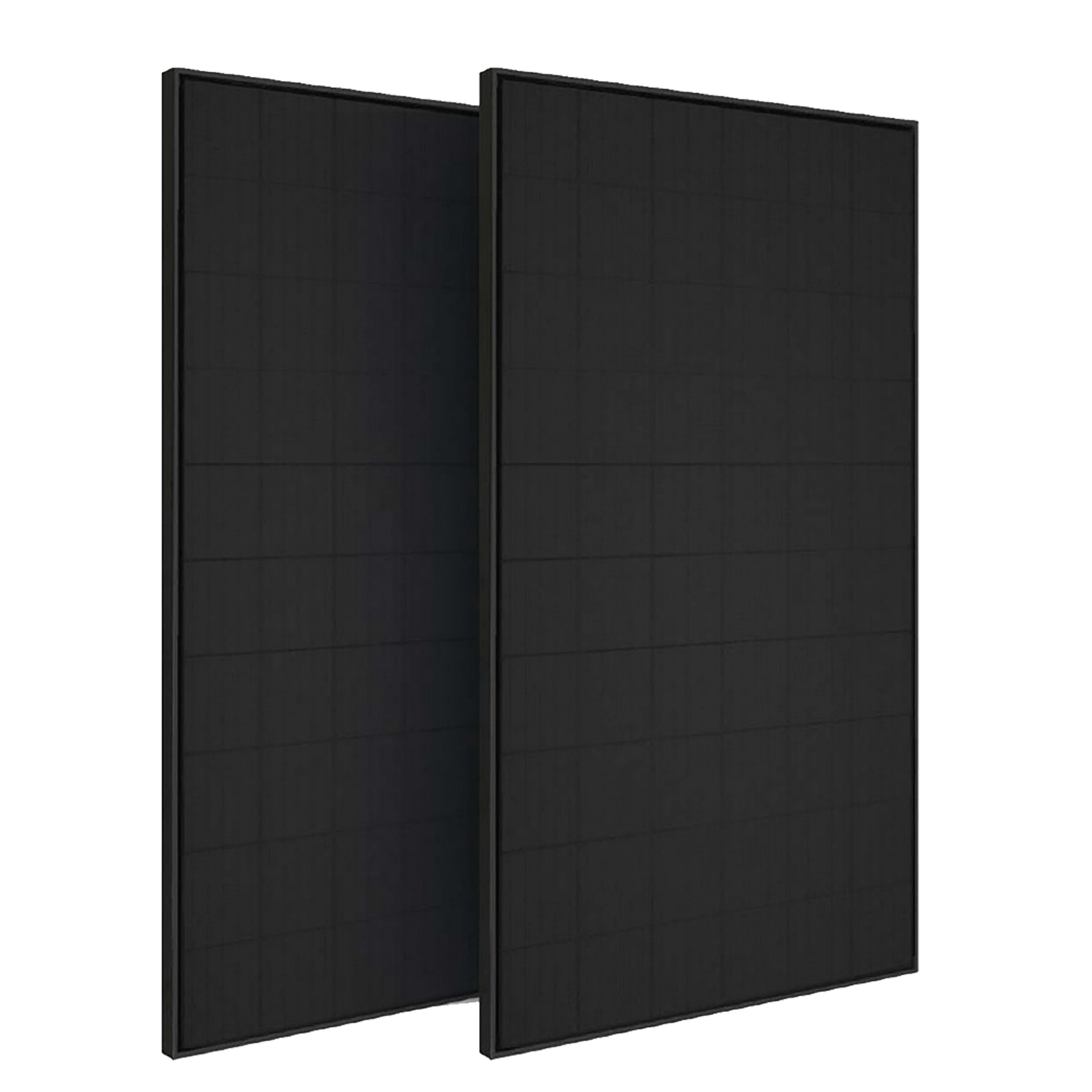
Free Electricity
The average solar panel payback period is 7 years. That means that the amount you save in approx 7 years, usually amounts to the price you've paid for your solar panel installation. After your system has paid for itself, the electricity it generates is effectively free.
Independence
Every unit your panels generate is a unit you don't buy from the grid. As wholesale energy prices rise, your savings grow with them. Solar is one of the few home improvements that pays you back every single day.
Cleaner energy
Solar is 100% renewable electricity — produced without emissions and without reliance on fossil fuel markets. The average solar panel installation saves over a tonne of CO2 per year.
How Solar Panels Work
Click on any step to learn more.
Capturing Daylight
Solar panels contain photovoltaic (PV) cells — layers of silicon that generate an electrical charge when exposed to light.
Converting Power
That charge is converted from direct current (DC) into alternating current (AC) by an inverter, making it compatible with everything in your home.
Powering Your Home
The free electricity is then used to power your home. It can even be used to power your heat pump or charge your electric car - for free.
Storing Excess Energy
Solar often produces more electricity than your home needs during the day. With a battery, the excess power will be stored for later use. Once the battery is full, any remaining electricity is exported to the grid — which you'll be paid for.
Get Paid to Export
Without a battery, excess power automatically feeds back to the grid. Through the government-backed Smart Export Guarantee (SEG), you get paid for every unit you send back.
How to get paid for your electricity
Under the Smart Export Guarantee (SEG), a government-backed scheme, you’ll be paid for any surplus electricity your solar panels send back to the National Grid.
How to apply for SEG payments
Once your solar panel installation is completed and MCS-certified, you sign up to an SEG tariff with an energy supplier of your choice. You'll need a smart meter, and that's about it.
How much you'll earn
Rates vary by supplier, but the average household earned around £210 in export payments last year. The best tariffs can earn you significantly more. If you'd like help with selecting a tariff, reach out to our team.
Energy Made Simple.
Life made better.
25 years
panel warranty
Up to 14%
Added property value
0%
added VAT
60%
Savings

Manage your home energy with smart apps
Track your energy generation, usage and exports in real time — all from an app on your smartphone or tablet.
Complete your system with battery storage
Use more of what you generate with a battery for greater self-sufficiency and improved system performance.

Your questions answered
Common questions
If your question isn't listed, please reach out to us below.
Are solar panels worth it in the UK?
Yes! A well-designed solar system reduces your reliance on the grid, cuts energy bills by up to 60% and can add value to your property. Pair it with a battery, and you can store excess energy for evening use, giving you maximum control, efficiency, and financial return.
Do solar panels work in the winter?
As long as there is daylight, your panels will generate electricity however, you’ll notice more generation during the summer months when daylight hours are longer.
How much does solar panel installation cost for a typical UK home?
The average cost of solar panel installation for a typical UK home ranges from £5,000 to £9,000 depending on system size, roof type, and whether battery storage is included.
A standard 4kW system, suitable for a three to four bedroom home, typically costs between £5,500 and £7,000 fully installed by an MCS Certified installer.
Larger systems or those paired with battery storage will sit toward the higher end. Project Heating Solutions provides a full written cost breakdown as part of every free no-obligation survey, so you know exactly what you’re paying before you commit to anything.
Can solar panels be installed on any roof?
Pitched roofs Yes — solar panels are most commonly installed on pitched roofs and perform best on south-facing slopes at an angle of 30 to 40 degrees. East and west-facing roofs also work well, typically generating around 15–20% less than a south-facing equivalent.
Flat roofs Yes — solar panels can be installed on flat roofs using angled mounting frames that tilt the panels toward the sun. Flat roof installations are common on both residential properties and commercial buildings and can be highly effective.
Slate roofs Yes — solar panels can be installed on slate roofs, though specialist fixings are required to avoid damaging the tiles. Project Heating Solutions has experience installing on slate and will assess your roof during the free survey to confirm the right mounting method.
Garage roofs Yes — a garage roof is a practical location for solar panels, particularly if your main roof has limited space or an unfavourable orientation. Panels installed on a garage roof feed directly into your home’s electricity supply in the same way.
Shed roofs Solar panels can be installed on shed roofs, most commonly as part of a small off-grid setup to power lighting, tools, or electric vehicle charging points. This is worth discussing with our team if your main roof is unsuitable.
Can you install solar panels on listed buildings?
Solar panel installation on listed buildings is possible but requires planning permission and approval from your local planning authority. Permitted development rights that apply to standard residential properties do not automatically extend to listed buildings. We recommend checking with your local authority before proceeding, our team can advise on the process.
How much can I earn from the SEG scheme?
SEG Tariffs range widely across the market, and a typical 3.5kW solar array will generate around 3,000 kWh per year, with roughly half of that potentially exported to the grid. The average export income per household was around £210 in the most recent reported period, though the best available tariffs can earn significantly more.
Why choose Project Heating Solutions for solar panel installation?
Project Heating Solutions is an MCS Certified solar panel installer based in Doncaster, South Yorkshire. We design and install solar panel systems, battery storage, and EV chargers for homeowners across the region. Every solar panel installation starts with a free no-obligation home survey, includes a full written savings and payback estimate, and is backed by a 25-year panel warranty. Our team handles everything from system design through to grid connection paperwork, so you don’t have to. Read our customer reviews on Trustpilot or get in touch below to book your free survey.
Do solar panels need cleaning in the UK?
In most cases, no — not regularly. The UK’s rainfall is frequent enough to naturally rinse the surface of your panels and keep them performing efficiently for the majority of the year. Solar panels are installed at an angle, which helps rainwater run off and carry dust, dirt, and debris with it.
Are Finance options available?
Yes, finance options are available for your solar panel installation. Project Heating Solutions Limited is authorised and regulated by the Financial Conduct Authority.
What accreditations do you have?
We are MCS certified, Trustmark, HIES member, NAPIT, Installation Assurance Authority member, NICEIC, Gas Safe and more.