Solar PV

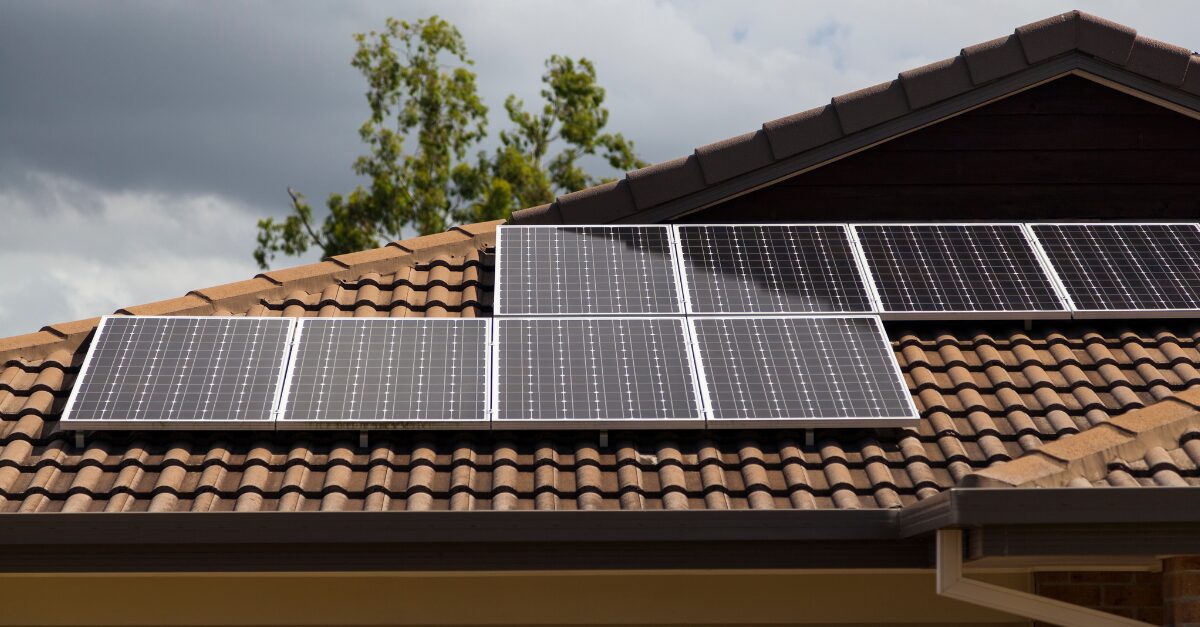
Close up of solar panels

Most of us know by now that solar panels are a clean and sustainable energy source, one that has gained a lot of popularity in recent years. However, despite their numerous benefits, there are still many misconceptions and myths surrounding solar panels that can stop people from investing in them.

In this blog post, we will debunk some of the most common misconceptions about solar panels and reveal the truth behind these myths!


Myth #1: Solar panels only work in sunny conditions

One of the most common misconceptions about solar panels is that they only function optimally under direct sunlight. However, this is far from the truth. Solar panels are designed to harness both direct and diffused sunlight, which means they can generate electricity even on cloudy or overcast days. While solar panels do perform best in sunny climates, they can still produce a significant amount of power in less ideal weather conditions. In fact, some of the leading countries in solar energy production, such as Germany and the UK, have relatively cloudy climates. So, rest assured, solar panels can still be a viable and efficient energy solution, regardless of the weather.


Myth #2: Solar panels are not efficient enough

Another misconception surrounding solar panels is their perceived lack of efficiency. Some people believe that solar panels have a low efficiency rate, which reduces their ability to generate enough electricity. However, this is a misunderstanding of how solar panels actually work. 

While it is true that solar panels have an efficiency rate that is less than 100%, it is important to note that no energy conversion process is 100% efficient. Solar panels are designed to capture sunlight and convert it into electricity, but they do not convert all of the sunlight they receive. Factors such as the angle of sunlight, temperature, and the type of solar panel technology used can affect the overall efficiency. However, commercially available solar panels are highly efficient and can provide more than enough power to meet the needs of a home or business.


Myth #3: Solar panels are too expensive

One of the biggest misconceptions about solar panels is that the price is not worth it. Many people believe that installing a solar panel system is a costly investment that is out of reach for the average homeowner or business. However, the cost of solar panels has significantly decreased in recent years, making them much more affordable and accessible.

Additionally, there are various financing options available, such as solar loans and leasing programs, which allow homeowners and businesses to install solar panels with little to no upfront costs.

Furthermore, government incentives, tax credits, and rebates can further offset the expenses associated with solar panel installation. When considering the long-term savings on electricity bills and the positive environmental impact, investing in solar panels can be a financially sound decision.


Myth #4: Solar panels require extensive maintenance

Some people are hesitant to invest in solar panels because they believe that they require frequent and costly maintenance. However, this is another misconception that needs to be debunked. Solar panels are designed to be durable and require minimal maintenance over their lifespan. In most cases, regular cleaning of the panels to remove dirt, dust, or debris is sufficient to ensure optimal performance. Many solar panel manufacturers provide warranties and guarantees, which further alleviate concerns about maintenance costs. 

Additionally, advancements in solar panel technology have made them more reliable and resilient, allowing them to withstand various weather conditions. So, while some basic maintenance is recommended, it is not a significant burden for homeowners or businesses.


Myth #5: Solar panels are not aesthetically pleasing

Another common misconception about solar panels is that they are visually unappealing and can detract from the aesthetic appeal of a property. However, this is no longer the case. With advancements in solar panel design and integration, solar panels can now be seamlessly incorporated into the architecture of a building. There are various mounting options available, including roof-mounted panels, solar canopies, and even solar skins that can match the visual aesthetics of a property. 

Additionally, ground-mounted solar systems can be designed with landscaping and screening to minimise their visual impact. So, whether you want to showcase your commitment to sustainability or maintain the visual appeal of your property, solar panels can be installed in a way that complements your design preferences.


Myth #6: Solar panels are not suitable for all types of roofs

Some homeowners are under the impression that their roof type or condition may not be suitable for solar panel installation. However, this is not necessarily true. Solar panels can be installed on a wide range of roof types, including asphalt shingles, metal roofs, and flat roofs. 

While it is true that the orientation and angle of the roof can affect the efficiency of solar panels, experienced solar installers can assess your roof's suitability and recommend the best installation options. In some cases, adjustments or reinforcements may be necessary to ensure a secure and efficient installation. It is always recommended to consult with a professional solar installer such as us who can evaluate your specific roof and provide expert guidance.


Myth #7: Solar panels do not work in cold climates

There is a common misconception that solar panels are not effective in cold climates or during winter months. However, this is simply not true. In fact, solar panels can actually perform better in cooler temperatures. While it is true that solar panels rely on sunlight to generate electricity, they do not require extreme heat to function efficiently. In fact, the conductivity of solar panels improves in cooler temperatures, allowing them to convert sunlight into electricity more effectively. 

Additionally, snow can reflect sunlight and enhance the overall performance of solar panels. So, whether you live in a sunny or cold climate, solar panels can still provide a reliable and efficient source of renewable energy.


Myth #8: Solar panels cause roof damage and leaks

Some people are concerned that installing solar panels on their roof may cause damage or lead to leaks. However, when installed properly by experienced professionals, solar panels can actually protect and extend the lifespan of your roof. Solar panel installation involves mounting the panels securely on racks or brackets that are attached to the roof. These mounting systems are designed to distribute the weight of the panels evenly and minimise any potential damage. 

Furthermore, the area where the panels are mounted is typically sealed to prevent water penetration. Before installing solar panels, a thorough inspection of the roof is conducted to ensure its structural integrity. So, when installed correctly, solar panels can coexist with your roof without causing any damage or leaks.


Conclusion

Solar panels have revolutionised the way we generate and consume electricity, offering a clean, sustainable, and cost-effective energy solution. By debunking these common misconceptions, we hope to encourage more homeowners and businesses to embrace solar energy and make the most of their many benefits. Whether you live in a sunny or cloudy climate, have a flat or sloped roof, or are concerned about aesthetics or maintenance, there is definitely a solar panel solution that can meet your specific needs. 

Start thinking about investing in the exciting world of solar panels today by getting in touch with us at Project Heating Solutions. We’re always happy to talk to you about which solar panels we think are best suited to you.
 

Share
choice of solar panels

Solar panels have become an increasingly popular choice for homeowners looking to embrace sustainable energy and reduce their reliance on traditional electricity sources. With the costs of on-grid electricity rising and the growing concern for environmental impact, it makes sense to switch to solar power as a cost-effective and eco-friendly solution. 

However, it’s important to know that not all solar panels are created equal. So how do you choose the right ones for you? In this comprehensive guide, we will explore the various aspects to consider when selecting solar panels so you can make sure you choose the right ones for you.


The Different Types of Solar Panels

When looking at investing in solar panels, there are three main types to consider: monocrystalline, polycrystalline, and thin-film. Each panel has its own advantages and disadvantages, so it's essential to understand the differences and choose the type that best suits you.

Monocrystalline Panels

Monocrystalline panels consist of a single silicon crystal structure, giving them a sleek and dark appearance. These panels offer the highest efficiency among the three types, making them ideal for situations where space is limited. While monocrystalline panels are more expensive upfront, their ability to produce more power in less space can save you money in the long-term.

Polycrystalline Panels

Polycrystalline panels, on the other hand, consist of multiple silicon crystal structures, giving them a speckled blue appearance. While they are less efficient than monocrystalline panels, they are usually more affordable. Polycrystalline panels are a suitable choice when cost is a primary consideration and you have plenty of roof space.

Thin-Film Panels

Thin-film panels are lightweight and flexible, allowing them to fit on curved and irregular surfaces. While they are the least efficient of the three types, their unique construction makes them suitable for maximising available surface area. Thin-film panels are ideal if you’re looking for prioritising aesthetics and flexibility.


Evaluating Solar Panel Efficiency

Efficiency is a crucial factor to consider when selecting solar panels, as it determines how effectively a panel converts sunlight into electricity. Higher efficiency panels require less surface area for energy production, making them valuable when space is limited. Several factors can impact efficiency, including temperature, shading, and orientation.

Solar panels perform better at lower temperatures and when angled towards the sun. Partial shading across a panel, such as from overhanging tree branches, can significantly reduce power output. So to maximise conversion efficiency, proper ventilation, minimising shading, and optimising tilt angles are essential. These measures make sure your solar panels perform optimally and you get a return on investment. 

Durability is crucial for the longevity and performance of solar panels. Panels typically last around 25 to 30 years before experiencing a slight decrease in output capacity. Look for panels with an IP68 waterproof rating, indicating resistance to harsh weather conditions. Proper maintenance, such as regular cleaning to remove dirt and debris, can further enhance panel durability and performance.


How To Decide On The Right Size

To decide on the size of your solar system, it's important to look at your daily energy usage. Understanding your electricity consumption will help you calculate the number of solar panels you need to generate a sufficient amount of energy.

There are two approaches to determine energy usage:

The first method involves dividing your total kilowatt-hour (kWh) energy usage by the number of days covered in your electricity bill. This calculation provides your daily energy usage, which serves as a basis for estimating your solar system's output requirements.

Alternatively, if you primarily use your solar power system for backup power or to reduce electricity bills for specific appliances, you can follow a step-by-step process to determine your electricity needs. This involves identifying the wattage requirements of your appliances, converting volts/amps to watts, counting the running watts of your appliances, factoring in starting watt requirements, and calculating the total starting watts needed from your generator.

Once you have worked out your daily energy usage, you can proceed to calculate the kilowatt (kW) output required from your solar system. Dividing your daily energy use by the average peak sun hours in your area will provide the energy output required. Converting kW into watts and dividing that by the estimated output of your panels will give you an estimate of the number of panels needed.


Calculating Solar Panel Costs for Your Roof

While solar panels come with upfront costs, the long-term return on investment is often more than these initial expenses. To calculate the costs associated with installing solar panels on your roof, you need to consider various factors such as construction quality, power rating, conversion efficiency, and panel type.

The number of panels required for your system is a significant cost factor. The price of each panel depends on its wattage, brand, warranty period, and overall quality. The higher the wattage and efficiency, the more expensive the panel is likely to be. It's important to compare different brands, read reviews, and consider warranty periods to ensure you invest in a reliable and durable system.

While the initial costs may seem like a lot, the savings you experience over the system's lifetime can outweigh these expenses. By comparing the lifetime utility costs with the cost of the solar system, you can determine the return on investment. Don’t forget that government rebates, tax credits, and incentives are additional factors that can help offset the costs and improve the financial viability of your solar panel installation.


Comparing the Price of Different Solar Panel Systems

When comparing the costs, make sure to consider various factors that contribute to the overall value. System size, equipment quality, incentives and rebates, warranty, and installation costs all play a role in determining the best value for your budget.

The size of the system directly affects the cost, with larger systems generally requiring more panels and associated equipment. It's crucial to ensure that the system size aligns with your energy needs while considering how much space you have for installation.

Equipment quality is another significant factor. Reliable and reputable manufacturers often offer longer warranties, ensuring that your investment is protected. Consider the certifications held by the manufacturer, such as BIS, ALMM, IEC, ISO, which indicate compliance with industry standards.

Incentives and rebates provided by the government or utility companies can significantly reduce the cost of solar panel systems. Research available incentives in your area and factor them into your cost comparisons.

Warranty plays a crucial role in the long-term value of your solar panel system. A warranty period of at least 25 years for performance and 10 years for product and materials is recommended. This ensures that any defects or performance issues are covered, providing peace of mind and protection for your investment.

Installation costs can vary depending on whether you choose to install the system yourself or hire professionals. DIY installations may be more cost-effective, but professional installations offer expertise and ensure proper system setup and performance.


Conclusion

Selecting the right solar panels for your home or business requires careful consideration of various factors, including panel type, efficiency, system size, costs, and quality. By understanding your energy needs, evaluating different panel types, considering efficiency and durability, and comparing prices and warranties, you can make an informed decision that aligns with your goals and budget.

Investing in solar panels not only helps you reduce your carbon footprint and contribute to a greener future but also offers long-term cost savings. With the right panels installed, you can enjoy the benefits of sustainable energy and take a significant step towards energy independence.

Remember to consult with professionals and reputable installers to ensure proper installation and maximise the performance of your solar panel system. Don’t hesitate to get in touch with us at Project Heating Solutions for guaranteed expert advice on installing your solar panels.


Share
solar panel

The solar industry has been on a remarkable journey, driven by innovation and a shared commitment to a sustainable future. But what's in store for Solar PV in 2023? 

In this blog post, we’ll explore the key trends and predictions that will shape the landscape for those considering the installation of a Solar PV System.

The Evolution of Solar PV

The demand for renewable energy has been steadily increasing as we all try to reduce our reliance on fossil fuels and combat climate change. With ambitious net-zero targets on the horizon, it’s no surprise that the solar photovoltaic (PV) industry is gaining popularity and momentum. In fact, solar panels play a massive role in the global shift towards renewable energy, and they’ll no doubt continue well into the future. 

Cost Efficiency

Imagine a world where solar energy isn't just a clean and green choice but an affordable one too. In 2023, we're on the cusp of making this a reality. The cost of essential components for solar panel installations, such as solar cells and inverters, continues to decline. 

Thanks to technological advancements, streamlined manufacturing processes, and economies of scale, solar power is becoming more accessible and budget-friendly.

But what drives these cost reductions? It's a trio of factors: technological leaps that make production more efficient, manufacturing processes that minimise waste, and economies of scale that come with producing solar panels in larger quantities. 

These improvements ensure that the sun's energy is not just clean, but also cost-effective.

Localised Manufacturing

The environmental footprint of solar panels extends beyond their energy production. In 2023, we're witnessing a shift towards localised manufacturing. Why? Because it's not just green for the planet, but also for your wallet.

By producing solar panels closer to home, we reduce the carbon footprint associated with transportation. Governments worldwide are encouraging this shift through tax breaks and subsidies, making it an economically sound choice. Not only does this approach minimise environmental impact, but it also supports local economies by creating jobs within communities.

Energy Storage Solutions

We’re moving towards a time when solar power is available 24/7, rain or shine. Energy storage systems, primarily batteries, are coming to the forefront of solar technology. These systems address the challenge of intermittent sunlight, ensuring you have a steady power supply even when the skies are overcast.

How does it work? Excess energy generated during peak sunlight hours is stored for later use, providing a reliable energy source when the sun isn't at its brightest. It's like having a solar power reserve, ensuring you never run out of clean energy.

Innovative Materials

Researchers are exploring novel materials, with a spotlight on perovskites. These materials are highly efficient at converting sunlight into electricity and have the potential to be more cost-effective than traditional options.

Perovskites represent a new frontier in solar technology, promising not only enhanced performance but also reduced manufacturing costs. Using the power that these materials provide means that the future of solar energy is much more efficient and easy.

National Grid Integration

Now, it’s possible to have a grid that’s as intelligent as solar panels. Excitingly, solar grid integration is becoming more and more sophisticated. Smart inverters and advanced grid management technologies are ensuring a seamless flow of power.

Smart inverters regulate the electricity flow between solar panels and the grid, preventing excess energy from destabilising it. Advanced sensors and monitoring systems optimise solar panel performance, ensuring that your system always operates at peak efficiency. It's a future where solar energy not only powers your home, but does so intelligently.

Decentralisation

In 2023, the power to generate your electricity is no longer a distant dream. The trend towards decentralised power generation is gaining momentum. Individuals and businesses are adopting solar panels to produce their electricity, particularly in areas with limited access to traditional power infrastructure.

Solar panels can be installed on rooftops, in residential properties, on commercial buildings, and even in remote locations. This reduces reliance on the central national grid and offers the possibility of selling excess energy back to it, creating an additional source of income. 

A Global Shift Towards Solar

The global shift towards solar power is undeniable. Many countries have set ambitious targets for renewable energy generation in their quest to combat climate change and achieve net-zero emissions. 

This global momentum is fuelled by the affordability and accessibility of solar power, making it an attractive option for both residential and commercial users.

As we embrace the sun's energy, large-scale solar projects are taking shape worldwide. They tap into abundant solar resources in regions like deserts and sunny coastal areas. 

However, it's important to consider the environmental impact of large solar farms, a topic that deserves its own discussion.


In conclusion, Solar PV in 2023 isn't just about generating clean energy; it's about shaping a sustainable future. The trends and predictions we've explored paint a compelling picture of a world where solar power is not only eco-friendly but also economically sound.

So, as you contemplate the installation of a Solar PV System, know that you're not just investing in clean energy; you're investing in a brighter, more sustainable future which can only improve as technology and awareness does also.

If you want to find out more about sustainable and cost-effective heating solutions, don’t hesitate to get in touch with us at Premier Heating Solutions. We are your local experts when it comes to your heating and hot water needs, ready to assist you with our transparent, fixed priced services that guarantee quality. 


Share
Solar panels on apartment roofs

Optimising your Solar PV system design is essential to maximise its efficiency. Whether you’re looking to save money, reduce your carbon footprint, or increase your property’s value, solar power offers a multitude of benefits. Before you consider doing so, it’s important to understand the key components and principles of solar PV system design. In this blog post, we’ll explain how to best optimise your solar PV system design so that you can make the most out of your investment.

Why Choose A Solar PV System

Solar PV systems have become increasingly popular, and for good reason. They offer a sustainable and renewable energy source that not only helps you save money but also reduces your carbon footprint. These systems are much more versatile – they enable you to heat your home and water while also powering your home’s electrical system.

Saving and Earning 

Did you know that by installing solar panels on your property, you can save up to £400 per year on your energy bills? But that’s not all – you can also get paid for any excess electricity you generate! Imagine harnessing the power of the sun to not only cover your energy needs but also generate extra income.

Reducing Air Pollution

One of the most pressing issues facing our planet today is air pollution. Burning fossil fuels for energy is a major contributor to this problem. However, when you install solar panels, you become part of the solution. You reduce the amount of CO2 in the air, helping combat climate change and securing a cleaner, healthier future for generations to come.

Low Maintenance, High Returns

Solar panel installations are remarkably low-maintenance. Unlike other energy systems, solar panels have no moving parts, which means there is very little upkeep involved. You may need to have them cleaned every few years, but that’s about it. Once your solar panels are up and running, they quietly and efficiently generate clean energy, requiring minimal intervention.

Increasing Property Value

The world is moving towards renewable energy at an unprecedented pace. Homes with solar panel installations are increasingly attractive to buyers, as they represent energy efficiency and a commitment to sustainability. By investing in solar panels, you’re not only future-proofing your home, but potentially increasing its value and desirability.

Unpacking Solar PV System Design

Now, let’s explore the key components and principles behind optimising solar PV system design.

Solar Panels: The Heart of the System

Solar panels are the most visible part of your PV system. However, their efficiency depends on various factors, including:

  • Panel Type: There are different types of solar panels, such as monocrystalline, polycrystalline, and thin-film. Each has its advantages and disadvantages, affecting efficiency and cost.
  • Orientation: The angle and direction at which your panels are installed greatly impact energy production. They should ideally face south in the Northern Hemisphere for maximum exposure to sunlight.
  • Shading: Even partial shading of solar panels can significantly reduce energy generation. Ensure that your panels are installed in direct sunlight, away from any shadows.
  • Cleaning and Maintenance: Dirty or dusty panels can lose efficiency. It’s essential to regularly clean and maintain your panels to make sure they are always performing optimally.

Inverters

Inverters play a critical role in your solar PV system. They convert the direct current (DC) generated by solar panels into the alternating current (AC) used in your home. To maximise efficiency:

  • Choose the Right Type: There are string inverters, microinverters, and power optimisers. Each has its advantages, with microinverters and power optimisers offering greater efficiency in situations with shading or panel mismatch.
  • Monitoring: Consider inverters with monitoring capabilities. These systems provide real-time data on your energy production, allowing you to detect issues promptly

Battery Storage: Energy On-Demand

Battery storage systems are a valuable addition to your solar PV setup. They store excess energy generated during the day for use at night or during cloudy periods. To optimise your battery storage:

  • Proper Sizing: Ensure your battery capacity matches your energy needs. An oversized or undersized battery can lead to inefficiencies.
  • Depth of Discharge (DoD): Be mindful of the DoD—the amount of a battery’s capacity that is used. Deeper discharges may reduce battery lifespan.
  • Integration: Proper integration with your solar system is crucial. An expert installer can ensure seamless operation.

System Sizing and Layout

Sizing your system correctly is essential to achieve peak efficiency. Factors to consider include:

  • Energy Consumption: Analyse your household’s energy consumption patterns to determine the size of the system you need.
  • Roof Space: Assess the available roof space for panel installation. Optimal panel placement is essential for efficient energy production.
  • Budget: Balance your budget with your energy goals. It may be more efficient to start with a smaller system and expand later.

Monitoring and Maintenance

To maintain peak performance over time, monitoring and regular maintenance are essential:

  • Monitoring Systems: Invest in monitoring systems that provide real-time data on your system’s performance. This allows you to detect issues promptly.
  • Cleaning: Keep your panels clean and free from debris to ensure maximum sunlight absorption.
  • Professional Inspections: Schedule regular professional inspections to identify and address any potential problems.

Optimising your solar PV system for maximum efficiency is not just about installing panels; it’s a holistic approach that considers every element of your system. While the above insights are valuable, partnering with us, as experienced installers, can make a significant difference. Our expertise extends to all aspects of system design, ensuring every component works harmoniously to achieve your energy goals.

Join the Solar Efficiency Movement

Solar power is not just about saving money; it’s about utilising the sustainable, abundant energy of the sun to its fullest potential. Whether you’re looking to install a new solar PV system or optimise an existing one, the journey to solar efficiency starts here with us.

When you partner with us at Project Heating Solutions, you’re choosing a partner committed to delivering the best product and service every step of the way. 

Our team of experts, with over 30 years of experience, will work closely with you to design a solar PV system tailored to your specific needs. Let us help you optimise your solar PV system design with you, so you can rest assured that it’s working at its best!

Share
Solar panels and wind turbines infront of a mountian

Rightly so, we’re becoming increasingly conscious of the environmental impact of our actions, and sustainable energy solutions are at the forefront of change. Choosing sustainable energy shouldn’t just be an option, but a necessity. Fortunately, the advancements of technology have allowed this to be much easier, with solar panels being a popular green choice. In this blog post, we’ll talk about Commercial Solar PV Installation, exploring how this technology not only saves you money but also helps in reducing air pollution, requires minimal maintenance, and even increases the value of your property.

Turning Your Property into a Carbon-Neutral Power Station

Saving and Earning Money with Solar PV Installation

Let’s start with a compelling reason that attracts many of our clients to solar PV installation: saving money. It’s no secret that electricity bills can weigh heavily on your budget, especially for commercial properties. However, with solar panels, you not only save money on your electricity bills, but can also earn money by exporting excess electricity back to the grid.

Did you know that the average annual savings from a solar panel installation can reach up to £400 per year? That’s money back in your pocket, ready to be allocated to other essential aspects of your business.

But it gets even better. When you add a battery to your solar PV installation, those savings can soar to approximately £700 per year. The battery allows you to store excess energy during sunny days and use it when the sun isn’t shining, effectively reducing your reliance on the grid. In some cases, our solar installations, complete with panels, batteries, and favourable grid prices, have even made businesses energy self-sufficient. Imagine not having to worry about fluctuating energy costs or grid failures.

Reducing Air Pollution: A Collective Responsibility

Sustainability is not just about cost savings; it’s about safeguarding our planet for future generations. By installing solar panels on your commercial property, you play a crucial role in reducing carbon dioxide emissions, which are a major contributor to climate change.

Think about it this way: every kilowatt-hour of electricity produced by solar panels means one less kilowatt-hour generated from burning fossil fuels. This means less pollution in the air, contributing to cleaner and healthier communities. By choosing solar PV installation, you’re helping to shape a future where our dependence on fossil fuels becomes a thing of the past.

Low-Maintenance, High Efficiency

When it comes to maintaining your solar panel installation, you’ll be pleased to hear that it’s a hassle-free experience. Solar panels are engineered to be durable and reliable, with no moving parts that can wear out or break. This means there’s very little maintenance required to keep your panels performing at their best.

In fact, the most common maintenance task for solar panels is occasional cleaning, usually every few years, to remove dust and debris that may accumulate on the surface. But that’s about it! Unlike many other investments, solar panels won’t burden you with ongoing maintenance costs or time-consuming upkeep.

Increasing Property Value: Future-Proofing Your Investment

As the world shifts towards renewable energy sources, properties equipped with solar panels are becoming increasingly desirable. Forward-thinking buyers recognise the long-term benefits of owning a property with a sustainable energy system in place.

By investing in a solar PV installation, you’re not only reducing your energy bills and carbon footprint, but also future-proofing your property. As the demand for renewable energy sources continues to grow, your commercial property becomes more attractive to potential buyers. This can translate into a higher resale value, putting more money in your pocket when the time comes to sell.

How We Can Help At Project Heating Solutions

At Project Heating Solutions, we’re more than just solar panel installers. We’re your one-stop shop for all your renewable energy needs. Our dedicated team is committed to finding the most energy-efficient solutions tailored to your specific requirements.

With over three decades of experience in the mechanical, electrical, and heating industry, our expertise is unmatched. We guide you from the initial inquiry right through to the installation, providing peace of mind every step of the way.

Furthermore, we are authorised and regulated by the Financial Conduct Authority (FRN 827021). As a responsible and trustworthy company, we act as a credit broker and not a lender, offering financing options from a panel of lenders. We believe that everyone should have access to sustainable energy solutions, and our financing options make that a reality.

Commercial Solar PV Installation – What’s The Next Step?

In a world where sustainability is not just an option but a necessity, commercial solar PV installation is a significant step towards a brighter, cleaner future. At Project Heating Solutions, we’re here to help you utilise the power of the sun, not only to save and earn money but also to reduce air pollution, require minimal maintenance, and increase the value of your property.

By choosing us as your renewable energy partner, you’re not just making an investment in your business; you’re making an investment in the planet’s future. Together, we can turn your commercial property into a carbon-neutral power station.

Share
solar panel system

With energy costs constantly rising, it’s more important than ever for homeowners and businesses to find ways to cut down on their energy bills. Fortunately, there’s a fantastic environmentally conscious solution; solar panels. Not only do solar panels benefit the environment, but they also offer significant long term savings on electricity expenses.

With over 30 years of industry expertise, PHS have identified seven ways that solar panels can dramatically reduce your energy bills.

In this blog, we’ll go over how solar panels work, their cost efficiency, environmental impact, and more, so you can make informed decisions about solar panel installation.

Harnessing the Infinite Power of the Sun

It’s easy to overlook our unlimited (and best of all, free) energy source; the sun! Every single day, our sun bathes the Earth in an incredible amount of energy. In fact, just one hour’s worth of sunlight could fulfil the world’s electricity needs for an entire year (if enough solar panels were installed!)

Solar panels allow us to use this abundant and renewable resource, converting sunlight into usable electricity. By utilising this natural power source and greater solar panel efficiency with the latest renewable technologies, you can greatly reduce your reliance on traditional and expensive energy sources.

Switching to solar energy (clean energy) with a reputable solar energy supplier is not only a good investment for the long run with high potential savings on energy bills, but short-term it will help massively with the world’s dependence on fossil fuels and the national grid.

Participating in Net Metering Programs

Investing in solar panels opens up opportunities to participate in net metering programs as well. During sunny periods when your solar panels generate more electricity than you need, any excess power is sent back to the grid. When you generate excess electricity or excess solar energy with your solar panels (stored in a solar battery via a solar inverter), your utility company rewards you with credits.

These credits can be used to offset your energy consumption during times when your solar panels aren’t producing as much electricity, like at night. You could save substantially on your energy bills with a solar PV system, with studies showing an average annual reduction of 50%.

The average savings of installing solar panels compared to traditional power sources can be up to £100 per month (depending on roof space, roof orientation, sizes of UK households, and hours of direct sunlight) but do vary depending on many factors.

Cost Efficiency Of Solar Panels

Although solar panels may have a bigger upfront cost, it’s essential to view them as a long term investment. Recent technological advancements have considerably lowered the expenses of installing solar panels. Additionally, there are government incentives and tax credits in areas that further help reduce the overall estimated costs.

On average, solar panels pay for themselves within 6 to 12 years, providing decades of practically free energy and yearly savings on electricity and heating bills. Renewable technologies overall are more cost effective, and an air source heat pump paired with an average solar panel system can contribute massively to energy saving bills.

Increased Property Value With Solar Installation

Solar panels could also substantially enhance the value of your property. Research has revealed that homes equipped with solar panels tend to sell and at higher prices compared to homes without them.

It’s not surprising that homebuyers are increasingly attracted to energy properties that offer the added advantage of reduced electricity expenses. That’s why we highly recommend investing in panels if you have plans to sell your property in the future, as the installation costs are outweighed by the yearly savings and future selling potential.

Flat roofs in particular are perfect for solar panels, as they often offer more space, which means more electricity. Solar panels on flat roofs can be tilted in any direction to capture more direct sunlight and harness the sun’s energy to turn into free electricity.

Environmental Impact Of Solar Energy

Solar panels play a huge role in promoting sustainable living. When you make the decision to adopt solar energy, you actively contribute to the reduction of greenhouse gas emissions, which plays a crucial role in combating climate change. As electricity usage rises, so do electricity bills, and a solar panel grants access to clean energy which can then be used for electric heating and to generate electricity for later use.

According to the Solar Energy Industries Association (SEIA), an average residential solar panel system has the potential to offset 100,000 pounds of carbon dioxide over a span of 20 years – that’s equivalent to planting around 2,500 trees! By going solar, you can take control of your energy consumption and significantly decrease your carbon footprint.

Solar Battery Storage

Pairing solar panel systems with battery storage takes your energy savings to another level. During days when your solar panels generate extra energy, you can store this surplus electricity in batteries. Then, when the sun sets or during cloudy periods, you can rely on this stored energy by drawing power from the grid, ensuring a constant supply of energy.

With battery storage, not only do you ensure a continuous supply of energy, but it also helps lower your electricity bills and makes you less vulnerable to power outages and disruptions in the grid. How much energy you can store depends on the battery storage you choose, but the annual savings can be large.

PHS: Solar and Heating Solutions That Save Money

While it’s widely known that solar panels are an alternative compared to other sources of energy, many people are unaware of the numerous financial benefits they offer. Here at Project Heating Solutions, we understand the potential of energy in transforming how we generate power for our homes. As a leading provider of renewable energy solutions in the UK, our focus is on offering energy solutions that meet all your heating requirements and start you on your solar savings journey.

So, why not take action now? Get in touch with us today to discover more about how you can use this valuable energy source to be more environmentally conscious and save money in the long run.

Share