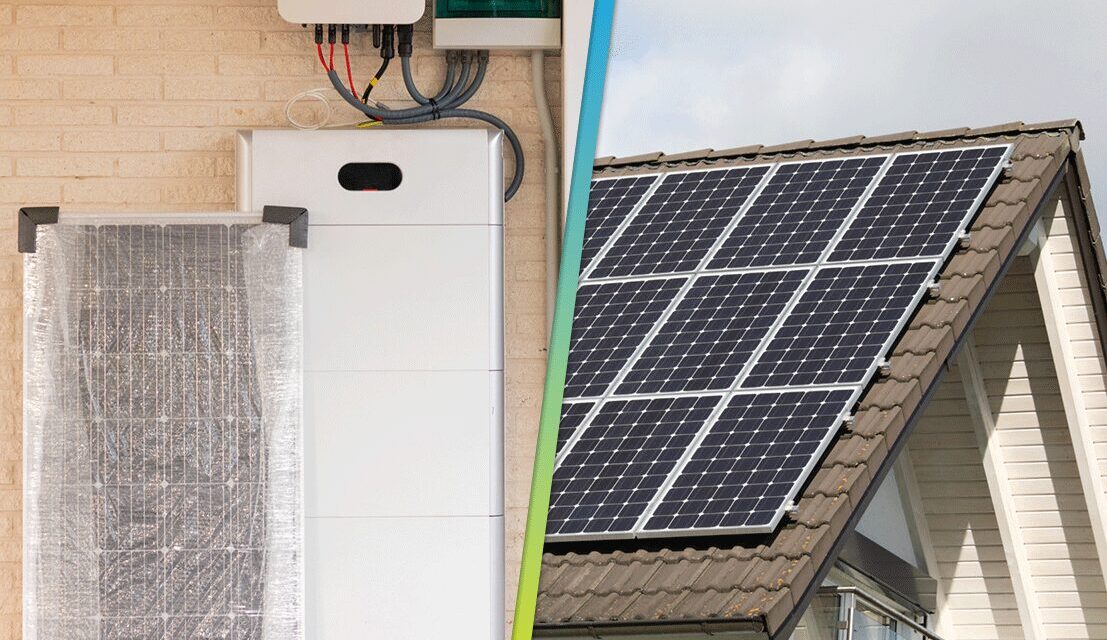
Solar PV

Solar panels in a field on a cloudy day

As an environmentally friendly alternative to traditional energy production, solar panels offer numerous benefits for both people and the planet. But what exactly makes them so great for the environment?

At PHS, we want to enable our customers to turn their home into a carbon neutral energy station with a solar system. There are many benefits of solar energy, such as their low environmental impact, sustainability, and power to generate electricity.

In this blog, we'll detail the environmental benefits of solar energy, discuss if solar panels are sustainable, and talk about how solar panels help the environment.

Download our "Introduction To Solar" (PDF) 

Download our "Introduction To Solar" (PDF)

Learn more about the environmental benefits of solar, their impact, and why renewable energy is the future.

    Environmental impact of solar energy: Reduction in Greenhouse Gas Emissions

    One of the most significant environmental benefits of solar panels is their ability to reduce greenhouse gas emissions. Unlike traditional energy sources such as coal and natural gas, solar panels are able to provide electricity generation without burning fossil fuels. This means that solar energy production does not release carbon dioxide or other harmful pollutants into the atmosphere, making it a renewable energy source.

    By relying on the natural process of photosynthesis, solar panels convert solar radiation into electricity, making them a clean and sustainable energy solution. This process has a minimal carbon footprint and helps mitigate climate change by reducing the concentration of greenhouse gases from fossil fuels in the atmosphere.

    According to a study conducted by the National Renewable Energy Laboratory (NREL), solar energy has an extremely low carbon footprint, resulting in virtually no emissions during operation. This makes solar panels and solar power a crucial tool in the fight against climate change and the transition to a carbon-neutral society.

    Improvement in Air Quality

    Another significant environmental benefit of solar panels is the improvement in air quality. Traditional energy sources such as coal-fired power plants release air pollutants like sulfur dioxide, nitrous oxides, particulate matter, and other components which can be harmful into the air, contributing to air pollution and respiratory problems. These pollutants extend to marine ecosystems too, and human activities contributing to global warming, extreme heat, and carbon emissions all play a part in causing negative environmental effects.

    Solar panels, on the other hand, produce electricity without emitting any pollutants. By harnessing the power of the sun, solar panels eliminate the need for fossil fuel combustion, thereby reducing the release of harmful pollutants into the atmosphere.

    According to a study conducted by the Environmental Protection Agency, the use of solar panels and solar technology can significantly reduce air pollution, leading to improvements and a measurable effect to public health. By transitioning to solar energy, we can create cleaner and healthier communities, free from the harmful effects of air pollution.

    Preservation of Natural Resources

    Solar panels and solar farms also play a crucial role in the preservation of natural resources. Traditional energy relies on the extraction and combustion of finite resources such as coal, oil, and natural gas. These activities not only contribute to greenhouse gas emissions but also lead to the depletion of natural resources and environmental degradation.

    In contrast, solar panels harness the abundant and renewable energy of the sun, eliminating the need for resource-intensive extraction and combustion processes. By utilising solar energy, we can reduce our dependence on fossil fuels and preserve natural resources for future generations.

    Additionally, solar panels can be installed on existing structures such as rooftops, reducing the need for additional land use. This is particularly important in areas where land is scarce or ecologically sensitive. By utilising existing spaces, solar panels minimise the impact on wildlife habitats and ecosystems, promoting biodiversity conservation.
     

    Job Creation in the Renewable Energy Industry

    The adoption of solar panels and the transition to solar energy also have positive economic implications. As the demand for solar panels continues to grow, the renewable energy industry experiences significant job creation opportunities. 

    The installation, operation, and maintenance of solar panels require a skilled workforce, contributing to local job creation and economic development. By investing in solar energy, we can stimulate economic growth while simultaneously working towards a more green future.

    Energy Independence and Resilience

    Solar panels contribute to energy independence and resilience by diversifying the energy mix and reducing reliance on centralised power grids. Coal and nuclear power often require extensive infrastructure and transmission networks, which can be vulnerable to disruptions and outages.

    Solar panels, on the other hand, can be installed on-site, providing a decentralised energy source that is less susceptible to disruptions. This is particularly important in remote areas or during natural disasters when access to electricity from the grid may be limited.

    By embracing solar energy, we can enhance energy resilience and reduce the vulnerability of communities to power outages. Solar panels offer a reliable and sustainable energy solution that can contribute to the stability and security of energy supply.

    Sustainable Development and Environmental Justice

    Solar panels play a vital role in promoting sustainable development and environmental justice. Access to clean and affordable energy is essential for communities, particularly those in underserved or marginalised areas.

    By installing solar panels in these communities, we can improve access to electricity, reduce energy poverty, and promote economic empowerment. Solar energy offers an opportunity to bridge the energy gap and ensure that everyone has access to clean and reliable power.

    Additionally, solar panel installations can be combined with other sustainable practices such as rainwater harvesting, energy-efficient appliances, and waste reduction initiatives. This holistic approach to sustainable development helps create resilient and self-sufficient communities.

    Educational Opportunities and Awareness

    The adoption of solar panels also provides educational opportunities and raises awareness about the importance of renewable energy and environmental sustainability. Solar panel installations can serve as educational tools, allowing students and the general public to learn about solar energy and its environmental benefits.

    By incorporating solar panels into educational institutions, communities can promote environmental consciousness and inspire future generations to pursue careers in renewable energy and sustainability. This increased awareness and knowledge contribute to a more informed and environmentally conscious society.

    Collaborative Research and Development

    The development and optimisation of solar panel technologies require collaborative research and development efforts. Governments, research institutions, and private companies are investing in research and development to improve solar panel efficiency, durability, and affordability.

    Collaborative projects and partnerships enable the sharing of knowledge, resources, and expertise, accelerating the advancement of solar panel technologies. By pooling resources and expertise, researchers can overcome technological barriers and drive innovation in the renewable energy sector.

    Environmental Impact Assessments and Regulations

    The installation and operation of solar panels are subject to environmental impact assessments and regulations to ensure their compatibility with local ecosystems and habitats. These assessments help identify potential environmental risks and develop mitigation measures to minimise adverse impacts.

    By adhering to environmental regulations and incorporating sustainability principles into the planning and design process, solar panel installations can minimise their ecological footprint and protect sensitive habitats and species.

    Global Adoption and Future Prospects

    The global adoption of solar panels continues to grow, driven by increasing environmental awareness, technological advancements, and supportive policies. Countries around the world are investing in solar energy as a viable and sustainable alternative to traditional energy sources.

    The future prospects for solar panels are promising, with forecasts suggesting significant growth in solar energy capacity in the coming years. As technology improves and costs decrease, solar panels will become even more accessible and widely adopted, further contributing to a greener and more sustainable future.

    In conclusion, solar panels offer a multitude of environmental benefits, from reducing greenhouse gas emissions and improving air quality to preserving natural resources and creating job opportunities. By harnessing the power of the sun, solar panels provide a clean, renewable, and sustainable energy source that can help mitigate climate change and promote a more sustainable future. As the world transitions to renewable energy, solar panels play a vital role in achieving a carbon-neutral society and protecting the environment for future generations.

    Solar Panels Environmental Benefits FAQs

    Are Solar Panels Good For The Environment?

    Absolutely. Solar energy powering is the future of the renewable energy source market, as refining fuel and transporting fuel both release harmful emissions that cause public health issues and contribute to global warming.

    How Do Solar Panels Help The Environment?

    Solar panels are beneficial for the environment as they provide a renewable source of energy that helps reduce greenhouse gas emissions and mitigate climate change. They generate electricity without polluting the air or water, unlike fossil fuels, and have a much lower carbon footprint over their lifespan. Solar power also promotes energy independence by reducing reliance on imported fossil fuels, making it a sustainable and environmentally friendly alternative to conventional energy sources.

    Are Solar Panels Sustainable?

    Yes, solar panels are considered sustainable. They harness energy from the sun, which is an abundant, renewable resource, making them a long-term solution for generating electricity without depleting natural resources. Once installed, solar panels produce clean energy with minimal environmental impact, requiring little maintenance and lasting for 25–30 years or more. Although their production involves energy use and raw materials, these impacts are outweighed by the long-term benefits of clean energy generation. Additionally, recycling technologies for solar panels are improving, further enhancing their sustainability by reducing waste at the end of their lifespan.

    How Much Does Solar Energy Reduce Pollution?

    Solar energy helps reduce pollution by eliminating harmful emissions that come from burning fossil fuels for power. It prevents the release of carbon dioxide (CO2) and other pollutants, such as sulfur dioxide and nitrogen oxides, which contribute to climate change, smog, and respiratory issues. By generating electricity without these pollutants, solar power improves air quality. On a larger scale, widespread use of solar energy can make a significant difference in protecting both the environment and public health.

    Do Solar Panels Cool The Environment?

    Yes, solar panels can help cool the environment by reducing the heat absorbed by roofs and surfaces. They convert sunlight into electricity instead of letting it heat buildings or the ground, which can reduce the urban heat island effect. This also helps decrease the need for air conditioning, indirectly reducing energy consumption and cooling the surroundings.

    Share
    Solar Panel Batteries

    Turn your home into a carbon-neutral power station with battery storage for solar panel energy. Solar panels generate renewable electricity, making your carbon footprint a little lighter, and your wallet a little heavier with electricity bill cost cutting and general energy savings.

    See how your electricity bills can benefit from solar panels and a battery system from PHS. Our range of solar panels and battery kits are priced including full installation, with no hidden costs (also includes the cost of scaffolding).

    Get in touch today, and find out how PHS can boost your energy storage system with solar panel battery storage.

    Solar Panel Batteries

    Solar Panel Battery Storage: The Benefits

    With a solar battery storage system, you can maximise the excess solar energy generated by your solar panels during daylight hours. This means you won't have to rely on purchasing your electricity supply from the national grid, resulting in significant long term savings.

    However, there are more benefits to solar panel batteries than just extra energy and extra money in your pocket, let's go through them below:

    Excellent Environmental Impact

    When you store extra energy, you're actively contributing to reducing greenhouse gas emissions and promoting clean energy that doesn't rely on fossil fuels, thereby reducing your carbon footprint. Renewable energy sources such as solar power (and utilising the excess energy generated via battery storage systems) are helping the environment by producing electricity without releasing pollutants, benefiting air quality, reducing respiratory illnesses, and enhancing public health compared to typical power plants.

    Silent But Strong Energy Efficiency

    Solar panels generate electricity silently, eliminating the noise pollution often associated with traditional power plants and some other renewable technologies like wind turbines. Solar energy also works by generating the power close to where it's needed, making it energy efficient and one of the best renewable energy sources. Solar installations promote energy independence and resilience by decentralising grid power generation and limiting the reliance on any one energy supplier with your very own solar system.

    Solar Panel Batteries

    Is Solar Battery Storage Right For Your Home?

    A solar panel battery, also known as a solar battery storage system, is a device that stores excess electricity generated by solar panels for later use, such as during local power cuts or a large-scale power outage. It essentially acts as a backup power source, and whether you need a solar panel battery depends mainly on your energy use.

    If you experience frequent power outages, want to maximise your energy self-sufficiency, or just cut down on the expense of energy bills, investing in a solar panel battery may be beneficial for you and your home.

    Solar Batteries

    Choosing the Right Solar Battery Storage System

    During the day, whilst the sun is shining, your solar PV system panels collect AC energy, sending it to your inverter. Your inverter converts the energy to DC storing it in your battery. At night when your panels are no longer collecting solar energy, you can then use the stored energy from your battery to power your home.

    PHS offers multiple battery types to suit you from the LiFeP04 range, and can help you decide which is right for your home, including indoor or outdoor installation, compatibility with your existing solar panel system, and cost.

    Solar Panel Batteries

    PHS: Solar Installation Specialists For Solar Battery Storage

    PHS are by your side through every step of the process of installing your new solar panel battery system. Get your battery installed quickly and efficiently with our expert installation service, and start reaping the cost effective and energy efficient benefits.

    Our comprehensive service includes a professional consultation, where one of our experts will evaluate your energy consumption patterns and existing solar panel setup to recommend the best solar panel battery storage battery solution for you, aligning with industry standards.

    Our skilled technicians will then ensure the integration of your solar and battery systems with your existing solar panel system, maximising its ability to capture and store energy efficiently with tailored solutions that align with your energy goals and budget.

    From the battery installation to maintenance, we are here to assist you every step of the way. Rest assured that we are committed to ensuring your satisfaction by providing any support as required.

    Get In Touch Today

    Get in touch with us today for a tailored quote of the overall cost of your solar storage needs, so you can start enjoying more energy with fewer electricity bills.

    Contact PHS

    Solar panels on a house at dusk

    Solar Battery Panel FAQ

    Can I save money with a solar battery?

    Absolutely. A solar panel battery can help you save money on your energy bills by storing excess energy for use at a later date.

    What is a solar battery, and how does it work with solar panels?

    A solar battery, also known as a solar energy or a solar panel storage battery or battery storage system or, stores excess electricity generated by solar panels during sunny periods. It works by storing this energy in the battery for use when the sun is not shining, such as during the night or on cloudy days. This stored energy can power your home, reducing your reliance on the grid.

    What size of solar battery do I need for my solar panel system?

    The size of the solar battery you need depends on your energy consumption, the capacity of your panels, and your specific energy goals. At PHS, we can help you determine the appropriate battery size for your needs, taking into account the climate and solar generation patterns.

    Can I use a solar battery for backup power during power outages in the UK?

    Yes, solar batteries can provide backup power during grid outages in the UK, allowing you to maintain essential appliances and lighting in your home.

    What is the lifespan of a solar battery?

    The lifespan of a solar battery typically ranges from 5 to 15 years, depending on the battery chemistry and usage patterns. Lithium-ion batteries tend to have longer lifespans and are commonly used in solar energy storage systems.

    Can I add a solar battery to my existing solar panels system?

    Yes, it is often possible to retrofit a solar battery to an existing solar panel system with multiple units. However, compatibility and system design should be assessed by a professional to ensure optimal performance and safety.

    In recent years, solar panels have moved from niche technology to a mainstream option for UK homeowners. But beyond the environmental appeal, one of the key questions many homeowners ask is: What’s the long-term return on investment (ROI) of installing solar panels? Is it worth the upfront cost?

    The answer, in short, is yes—solar panels can provide a significant financial return over time. But to truly understand their value, we need to take a closer look at the specific benefits, savings, and factors affecting solar energy in the UK market.

    1. The Upfront Costs: Investment vs. Value

    Installing solar panels requires an initial investment. On average, UK homeowners can expect to pay anywhere between £4,000 to £8,000 for a typical residential system, depending on the size and energy needs of the household. For many, this upfront cost can seem daunting. However, it's important to consider solar panel installations as a long-term investment that pays for itself over time.

    With modern systems lasting 25 to 30 years, the initial investment is spread out across decades, making the monthly or yearly return on investment more appealing. Most importantly, as energy prices continue to rise across the UK, investing in solar panels helps insulate homeowners from escalating costs by providing free, renewable energy from the sun.

    2. Savings on Energy Bills

    Perhaps the most immediate and obvious benefit of solar panels is the reduction in energy bills. Once installed, your solar panels will begin producing electricity right away, reducing your dependence on electricity from the grid. Over the course of a year, the typical UK household can save around £300 to £500 annually on electricity bills, depending on system size, location, and energy consumption patterns.

    In some cases, homes with larger systems that generate more electricity than they consume can achieve even greater savings, with the potential to offset nearly all of their electricity costs. By lowering your reliance on external energy providers, you can significantly cut down on your household’s regular outgoings.

    3. The Smart Export Guarantee (SEG): Earning Money from Your Solar Power

    The Smart Export Guarantee (SEG), which replaced the Feed-in Tariff (FiT) in 2020, allows UK homeowners to earn money by exporting excess electricity generated by their solar panels back to the grid. This scheme pays homeowners for the energy they don’t use, providing another layer of financial return.

    While the exact rate of payment depends on your energy provider, it typically ranges from 2p to 6p per kWh of electricity exported. For households generating more electricity than they use, this can add a few hundred pounds per year to your savings. Although the rates are currently lower than the original FiT scheme, SEG still offers a valuable revenue stream that contributes to the overall ROI.

    4. Increased Property Value

    Adding solar panels to your home is also likely to increase its market value. More and more homebuyers in the UK are looking for properties with energy-efficient upgrades, particularly as energy costs rise and environmental concerns grow. Studies have shown that homes with solar panels can see an increase in resale value by as much as 4% to 6%, depending on the region.

    For a home worth £300,000, this could translate into an additional £12,000 to £18,000 in resale value—well above the initial cost of installation. This makes solar panels a savvy investment for homeowners who are considering selling their property in the future.

    5. Government Incentives and Tax Breaks

    While the initial costs of solar panels can be high, various government incentives can help to ease the financial burden for UK homeowners. The Zero VAT on Solar Panels, introduced in 2022, means you no longer need to pay Value Added Tax when purchasing and installing solar panels. This represents a 20% saving on the total cost of the system, significantly reducing the initial outlay.

    Additionally, if you qualify for certain government schemes that support renewable energy installations, such as the Green Homes Grant (now closed, but similar initiatives may be introduced), you may benefit from further financial assistance, bringing the ROI even higher.

    6. Protection Against Rising Energy Costs

    One of the long-term financial benefits of installing solar panels is protection against future energy price hikes. Over the past decade, energy costs in the UK have been rising steadily, with further increases expected due to inflation and growing demand.

    By producing your own electricity, you insulate yourself from market volatility and price rises. This is especially valuable as gas and electricity prices remain unpredictable. Solar panels allow you to become energy independent, giving you more control over your home’s energy costs.

    7. Environmental Impact: A Priceless ROI

    While the financial return on investment is crucial, it’s also important to remember the environmental ROI of installing solar panels. By generating your own clean, renewable energy, you’ll be reducing your home’s carbon footprint, helping the UK meet its ambitious climate goals, and contributing to a more sustainable future.

    The average household solar panel system can reduce carbon emissions by as much as 1.5 to 2 tonnes of CO2 per year. Over the lifespan of your solar panel system, this adds up to a significant positive impact on the environment—an ROI that goes beyond just pounds and pence.

    8. Long-Term Reliability and Low Maintenance Costs

    Modern solar panel systems are designed to be incredibly durable and require very little maintenance. Once installed, your system will typically only require an annual inspection to ensure everything is functioning optimally. With no moving parts, the risk of breakdowns is low, and the typical solar panel manufacturer offers warranties of 20 to 25 years.

    These long warranties and low maintenance costs ensure that you won’t need to invest heavily in upkeep, allowing you to reap the financial benefits for decades without constant expenditure.

    Is Installing Solar Panels in the UK Worth It?

    In short, yes—solar panels offer a solid return on investment for UK homeowners. With rising energy bills, government incentives, the Smart Export Guarantee, and increased property values, the financial benefits are clear. And while the upfront cost might be significant, it’s important to view solar panels as a long-term investment that pays for itself many times over during its lifespan.

    Beyond the financials, the environmental benefits of reducing your home’s carbon footprint and contributing to a greener future make solar panels a wise choice for homeowners looking to invest in sustainability. So, if you’re considering making the switch, there’s no better time than now to future-proof your home with solar power. Get in touch with us at PHS if you’re looking to make the switch - we’ll happily walk you through the process and what you need to do next!

    Do you ever worry how your solar panels will perform during the cold winter months? As the days get shorter and temperatures drop, many homeowners might assume that solar panels are less effective in the winter. However, with a bit of preparation, your solar panel system can continue to generate clean, renewable energy—even when there’s snow on the ground.

    In this guide, we’ll walk you through the steps you can take to ensure your solar panel system is winter-ready!


    1. Don’t Worry About Cold Weather—Solar Panels Love It!

    A common misconception is that solar panels don’t work well in cold weather. The truth is, solar panels are actually more efficient in cooler temperatures. Just like other electronics, they perform better when they aren’t overheating, which means that clear, sunny winter days can still be highly productive for your solar energy system.

    The real challenge in winter is not the cold, but the reduced daylight hours and the possibility of snow covering your panels. That’s where a little preparation can go a long way.


    2. Keep an Eye on Snow Build-up

    One of the biggest concerns for solar panel owners in winter is snow build-up. While a dusting of snow won’t affect your system’s performance too much, a heavy accumulation can block sunlight and reduce energy generation. Luckily, most solar panels are installed at an angle, which helps snow slide off naturally.

    Living in the UK fortunately means that you won’t have to worry about much snow! But if there does happen to be any snow fall this year, a quick check and gentle sweep of your panels can prevent days of lost energy production.


    3. Inspect Your Panels for Winter Wear and Tear

    Before winter sets in, it’s a good idea to give your solar panel system a thorough inspection. Check for any dirt, debris, or damage that could impact the performance of your panels during the colder months.

    Look for cracked glass, loose wiring, or any signs of wear on the mounting system. Winter weather can sometimes exacerbate existing issues, so addressing them beforehand can save you headaches later on.

    Pro tip: You don’t have to go it alone. If you’re unsure about the condition of your system, consider scheduling a professional inspection with us at PHS. Our experts will make sure that everything is functioning correctly, and your panels are ready to handle whatever winter throws at them.


    4. Maximise Winter Sunlight Exposure

    With the sun sitting lower in the sky and daylight hours at a minimum, every bit of sunlight counts during the winter months. To maximise energy production, make sure nothing is obstructing your panels.

    Trim back any tree branches or nearby shrubs that might cast shadows on your system. Even partial shading can have a big impact on how much energy your solar panels produce, especially when daylight is already limited.


    5. Monitor Your System’s Performance

    Winter can bring unpredictable weather, from clear skies to snowstorms, so it’s important to keep an eye on your solar panel system’s performance. Many systems come with monitoring tools that allow you to track energy production in real time.

    By checking your system regularly, you can quickly spot any issues, such as reduced output due to snow, shading, or malfunctions. This allows you to address problems immediately, rather than discovering them after weeks of reduced energy generation.


    6. Consider Energy Storage for Winter Efficiency

    While solar panels can still generate power during winter, the shorter days mean you might produce less energy overall. One way to ensure you have enough power for your needs is to invest in an energy storage system, such as solar batteries.

    With energy storage, you can store excess energy produced on sunny days and use it during periods of low production or at night. This can help keep your home powered during the darkest days of winter, reducing your reliance on the grid and keeping energy bills in check. If you want to learn more about solar batteries, check out our website or get in touch!

    Pro tip: If you already have a battery system in place, now is a great time to check that it’s working correctly and can handle the extra demand during the winter months. 


    7. Routine Maintenance: Don’t Skip It

    Like any home system, your solar panels require routine maintenance to keep them running efficiently. Winter is an excellent time to ensure that everything is in top condition, from the panels themselves to the inverter and other system components.

    In addition to your pre-winter inspection, schedule regular check-ups to ensure your system is performing at its best. At PHS, our knowledgable experts can regularly inspect your solar system and fix any issues. A well-maintained system is more likely to withstand the rigours of winter without any major issues!


    Overview

    Preparing your solar panel system for winter doesn’t have to be a daunting task. By taking a few simple steps—like monitoring snow build-up, checking for wear and tear, and ensuring maximum sunlight exposure—you can keep your panels performing efficiently throughout the colder months.

    At PHS, we understand the importance of maintaining your solar energy system year-round. Our team is here to help with expert advice, maintenance, and solutions to ensure your panels are winter-ready. Whether you’re new to solar or looking to upgrade your system, we’ve got you covered.

    Interested in making sure your solar panel system is ready for winter? Contact us today to learn more about our services and how we can help you make the most of your solar energy!

    Solar panels on a house at dusk

    As homeowners across the UK grapple with soaring energy prices and the need to adopt more sustainable practices, the demand for solar panels has skyrocketed. But past the immediate cost savings and environmental benefits, a burning question remains: do solar panels actually increase the value of a property? 

    The Impact of Solar Panels on Property Values

    The relationship between solar panels and property values is a complex one, with experts offering differing perspectives. However, the majority of studies suggest that solar panels can indeed increase the value of a home, with estimates ranging from a 4% to 14% premium. One thing is for certain, they will not decrease the value of your property- even if they don’t look the most attractive!

    The precise boost in value depends on various factors, including the current worth of the property, its location and size. However, the underlying principle remains the same: solar panels are seen as a valuable asset that can enhance a home's appeal and value.

    Why Do Solar Panels Increase Property Value?

    There are several reasons why solar panels can contribute to a higher sale price for a home:

    Cost Savings on Energy Bills

    One of the primary benefits of solar panels is the significant reduction in energy bills they can provide. By generating your own renewable electricity, you can save hundreds of pounds annually on utility costs. This financial advantage is highly attractive to potential buyers, who see it as a long-term investment.

    Potential for Profit

    In addition to cost savings, solar panels also offer the opportunity to generate income. If your system produces more electricity than you can use or store, you can sell the surplus back to the grid, and earn a profit. This added revenue can be a major selling point for buyers.

    Eco-Friendly 

    As concerns about climate change and the environmental impact of traditional energy sources continue to grow, more and more homebuyers are seeking properties with sustainable features. Solar panels are seen as a symbol of environmental responsibility and can help a home stand out in a crowded market.

    Preparing for the Future 

    The transition towards renewable energy is only expected to keep growing in the coming years. By installing solar panels, you are future-proofing your home and making it more attractive to buyers who value energy efficiency and green technology- making your home stand out for years to come. 

    Potential Drawbacks

    While the majority of evidence suggests that solar panels can increase property value, there are a couple of potential drawbacks and considerations to keep in mind:

    Aesthetic Concerns

    Some buyers may be put off by the visual appearance of solar panels, particularly in more traditional or historic properties. However, as solar technology continues to evolve, newer and more visually appealing options are becoming available, such as solar roof tiles.

    Timing of Installation

    If you are planning to sell your home in the near future, installing solar panels may not be a worthwhile investment, as you may not have the time to win back the initial installation costs. In such cases, it may be more beneficial to focus on other energy-efficient upgrades that can boost your home's value more directly.

    Increasing the Value of Solar Panels

    To ensure that your solar panels have the greatest impact on your home's value, consider the following strategies:

    1. System Size and Placement: Work with a reputable installer to design a solar panel system that is optimally sized and positioned for your property, increasing its efficiency and visual appeal.
    2. Maintain Detailed Records: Keep meticulous records of your energy savings, any income generated from selling surplus electricity, and the overall performance of your solar panel system. These records can be a valuable selling point for potential buyers.
    3. Explore Financing Options: Investigate government incentives or other financing solutions that can reduce the upfront cost of installing solar panels, making them a more attractive investment.
    4. Additional Features: Consider adopting other energy-efficient upgrades alongside your solar panels, such as smart meters, battery storage, or electric vehicle charging stations, to further enhance your home's appeal to eco-conscious buyers.
    5. Time Your Sale Strategically: If possible, aim to sell your home after you have had the solar panels installed for several years. This gives you time to demonstrate the long-term savings and benefits to potential buyers.

    So, what’s the answer to the burning question asked by many homeowners? Despite varying answers, it is clear that solar panels do increase the value of your home and increase its appeal to eco-conscious buyers by making your home standout in a busy market. 

    By understanding the complex interaction between solar panels and property values, homeowners can make informed decisions that not only reduce their energy costs and environmental impact but also increase the value of their most significant asset. 

    If you’re ready to begin your renewable energy journey, don’t hesitate to get in touch with Project Heating Solutions. We’d be happy to help!


    Share
    Do Solar Panels Increase Your Home Value

    Beyond the financial benefits such as saving money on energy bills, did you know that those solar panels could significantly increase the resale value of your home? 

    In today's environmentally conscious world, prospective buyers are increasingly drawn to properties equipped with sustainable features that promise long-term savings and environmental benefits. Installing solar panels not only reduces your carbon footprint but also enhances the marketability of your home!

    At Project Heating Solutions (PHS), we provide businesses and clients with the power to decrease their energy bills and increase the value of homes and properties with solar panels and storage batteries.

    In this blog, we'll look into the reasons why estate agents, prospective buyers, and property developers are eager to see solar panels on homes, how much value they add to house prices, and why the property market is raving about solar energy.

    Download our "Introduction To Solar" (PDF)

    Learn more about the environmental benefits of solar, their impact, and why renewable energy is the future.

      Attract Potential Buyers With Reduced Electricity Bills

      When potential buyers evaluate a property, they often look beyond the aesthetics and consider the long-term financial implications to a home's value.

      Solar panels increase property value, offer an alluring proposition by potentially reducing or even eliminating electricity bills, depending on the system's size and the household's energy consumption. This immediate cost-saving appeal can sway buyers who are budget-conscious and sustainability-minded when looking to buy a house under current property prices.

      Attract Potential Buyers With Reduced Electricity Bills

      When potential buyers evaluate a property, they often look beyond the aesthetics and consider the long-term financial implications to a home's value.

      Solar panels increase property value, offer an alluring proposition by potentially reducing or even eliminating electricity bills, depending on the system's size and the household's energy consumption. This immediate cost-saving appeal can sway buyers who are budget-conscious and sustainability-minded when looking to buy a house under current property prices.

      Enhance Your Property Marketability With Solar Surplus Energy

      Properties with solar panels stand out in the real estate market. They convey a message of forward-thinking and sustainability, qualities that resonate with modern homebuyers.

      According to studies, homes with solar panels tend to sell faster and at a premium compared to those without. This added marketability can attract a broader pool of potential buyers, increasing the likelihood of a quicker sale and potentially higher offers.

      Solar Panels From PHS: A Financial Return On Investment

      Investing in solar panels is not just about enhancing property value, but also about yielding a return on investment (ROI). On average, homeowners can regain the initial installation costs through energy savings within a few years.

      This financial benefit continues to increase over the lifespan of the solar panels, enhancing the overall ROI for the homeowner.

      Considerations For The Housing Market: Solar Panels & Green Home Improvements

      Before installing solar panels with the intention to add a significant increase resale value, it's essential to consider these several factors. 

      • Firstly, the location and orientation of your home relative to the sun play a crucial role in determining the effectiveness of solar panel installation.
      • Secondly, the aesthetics and integration of solar panels into your property's design should enhance rather than detract from its visual appeal. 
      • Lastly, understanding local regulations, incentives, and financing options can optimise your investment and appeal to potential buyers.

      Solar Panels from PHS: Increase The Value Of Your Home

      Investing in solar panels can enhance the resale value and marketability of your home. By reducing energy costs, appealing to environmentally conscious buyers, and offering a sound financial return on investment, solar panels are a smart addition to any property. 

      Whether you're planning to sell your home soon or simply looking to enjoy the benefits yourself, the decision to go solar is one that pays dividends both now and in the future.

      At Project Heating Solutions, we specialise in helping homeowners navigate the transition to renewable energy with confidence. Contact us today to explore how solar panels can transform your home and increase its value!

      Solar Panels & Home Value FAQs

      Is it harder to sell a house with solar panels in the UK?

      Solar panels are increasingly seen as a valuable asset, especially as energy prices continue to rise and more buyers prioritise energy efficiency and sustainability. A home with solar already installed offers immediate energy savings and environmental benefits, which can give it an edge on the market.

      At Project Heating Solutions, we install modern, aesthetically pleasing systems that can actually enhance your property’s appeal and market value.

      Get In Touch

      How much do I get for selling electricity back to the grid in the UK?

      With the Smart Export Guarantee (SEG), you can earn money for every unit of excess electricity your system exports back to the grid. Rates vary depending on your energy provider and how much energy you use and store, but many customers earn between 2p and 15p per kWh.

      It might not sound like much at first glance, but over the course of a year, this passive income adds up—especially when paired with the savings you’re already making on your own energy use.

      How long does it take for solar panels to pay for themselves in the UK?

      On average, most UK homeowners of a typical home see their solar panels pay for themselves in 6 to 10 years. This depends on factors like your energy usage, system size, and how much electricity you export back to the grid—but thanks to rising electricity prices, that break-even point is getting closer all the time.

      Solar panels add value and efficient energy production to your home, future proofing it for the depletion of fossil fuels and increase in renewable energy.

      Solar batterys vs Solar panels

      Solar energy has become increasingly popular as a sustainable and cost-effective solution for powering homes and businesses. With the rise of renewable energy, it's important to understand the difference between solar panels and solar batteries. In this blog post, we will explore the key distinctions between these two technologies and their respective roles in harnessing the power of the sun.

      What are Solar Panels?

      Solar panels, also known as photovoltaic (PV) panels, are devices that convert sunlight into electricity. They consist of multiple solar cells which generate an electrical current when exposed to sunlight. These solar cells are interconnected and mounted on a framework to form a solar panel.

      Solar panels are designed to generate electricity during the day, when the sun is shining. The electricity produced can be used to power appliances and devices in real-time. Any excess electricity that is not immediately consumed is either stored in a battery system or exported back to the grid.


      How Do Solar Panels Work?

      Solar panels work by converting sunlight into electricity through the interaction of photons with the solar cells. Here is a breakdown of how solar panels work:

      1. Sunlight absorption: The solar cells in the panels absorb sunlight, which consists of photons (particles of light) that carry energy.
      2. Electron excitation: When photons hit the solar cells, they transfer their energy to the electrons, causing them to break free from their atomic bonds.
      3. Electric current generation: The flow of free electrons creates a direct current (DC) of electricity within the solar cell.
      4. Conversion to alternating current (AC): The DC electricity generated by the solar panels is then converted into alternating current (AC) to power household appliances and electrical systems.
      5. Power consumption or export: The AC electricity produced by the solar panels can be used to power appliances and devices in real-time. If the electricity generated exceeds immediate consumption, it can be either stored in a battery system for later use or exported back to the grid, depending on the setup.

      Solar panels are an excellent solution for reducing reliance on traditional grid electricity and lowering energy costs. However, there are some limitations, most notably their dependency on daylight hours.

      Understanding Solar Batteries

      While solar panels capture and convert sunlight into electricity, solar batteries are devices that store excess electricity generated by solar panels for later use.

      Solar batteries are typically installed alongside solar panels to maximise the use of solar energy and provide greater energy independence. They store surplus electricity during periods of high solar production and release it when solar production is low or at night when the panels are not generating electricity.

      How Do Solar Batteries Work?

      Solar batteries store excess electricity generated by solar panels using a chemical process. They contain multiple battery cells that store and release electrical energy. Here's an explanation of how solar batteries work:

      1. Charging phase: During periods of high solar production, the surplus electricity generated by the solar panels is directed to the solar battery for storage. The battery cells store the electricity as chemical energy.
      2. Discharging phase: When solar production is low or at night, the stored electricity in the battery is released. The stored energy is converted back into electrical energy, which can be used to power appliances and devices.
      3. Battery management system: Solar batteries are equipped with a battery management system (BMS) that regulates the charging and discharging processes, ensuring the battery operates efficiently and safely. 

      Solar batteries offer several benefits, including:

      • Energy independence: Solar batteries allow homeowners and businesses to store excess solar energy for use during periods of low solar production or during power outages, reducing reliance on the grid.
      • Maximised solar energy utilisation: By storing excess electricity, solar batteries ensure that more of the energy generated by the solar panels is consumed on-site rather than exported back to the grid.
      • Load shifting: Solar batteries enable the use of stored electricity during peak demand periods when electricity rates are higher, resulting in potential cost savings.
      • Backup power: In the event of a power outage, solar batteries ensure essential appliances and devices continue to operate by providing backup power.

      What are the Key Differences?

      Solar panels and solar batteries are both integral components of solar energy systems, however there are key differences between them:

      1. Function: Solar panels capture sunlight and convert it into electricity, while solar batteries store the excess electricity generated by solar panels for later use.
      2. Electricity generation: Solar panels generate electricity when exposed to sunlight, providing real-time power. Solar batteries store and release electricity as needed, ensuring a continuous power supply even when solar production is low or at night.
      3. Autonomy: Solar panels rely on sunlight availability and cannot provide power during blackouts or periods of low sunlight. Solar batteries offer greater autonomy by storing electricity, allowing for power consumption even when solar production is minimal.
      4. Energy use: Solar panels primarily offset electricity consumption in real-time, reducing reliance on the grid during daylight hours. Solar batteries maximise solar energy use by storing excess electricity for use during periods of low solar production.
      5. Cost considerations: Solar panels are generally more affordable to install compared to solar batteries. However, solar batteries offer long-term cost savings by reducing energy bills and providing backup power during outages.

      Choosing the Right Solution for You

      When deciding between solar panels and solar batteries, it's important to consider your specific energy needs and goals:

      1. Energy consumption patterns: Assess your energy consumption patterns to determine if you mainly use electricity during the day or if your consumption extends into the evening and night when solar production is minimal.
      2. Energy independence: If energy independence is important to you, solar batteries can provide peace of mind by ensuring a continuous power supply.
      3. Budget: Consider your budget and weigh the upfront cost of solar panels against the long-term savings and benefits offered by solar batteries. Solar panels may initially be more cost-effective, while solar batteries provide greater potential savings in the long-term.
      4. Solar panel system size: Larger systems may generate more surplus electricity, making a battery storage system a worthwhile investment.
      5. Local regulations and incentives: Research local regulations and incentives as they may be available to offset the cost of installation and encourage the adoption of renewable energy technologies.

      Overview

      Both solar panels and solar batteries offer unique benefits and the choice between them depends on your specific energy needs, budget, and goals. Solar panels are a cost-effective solution for reducing reliance on traditional grid electricity and can provide significant savings on energy bills however, they are dependent on daylight hours. Whereas solar batteries offer greater energy autonomy, allowing you to store and use excess solar energy, even during periods of low solar production, and provide greater peace of mind. 

      Ultimately, the decision to install solar panels, solar batteries, or both depends on your energy requirements, budget, and long-term goals. Consulting with a reputable solar energy provider can help you assess your needs and design a solar energy system that best suits your requirements.

      For further information about solar energy, don't hesitate to get in touch with Project Heating Solutions. We’d be happy to help! 


      Share
      Solar panels on the roof of a house and with panels in the garden

      Are you considering installing solar panels in your UK home? Over 1 million UK homes have already taken the step to reduced electricity bills and lower carbon footprint. But how many solar panels do you actually need to power your home? In this guide, we'll explore the factors that determine the number of solar panels required for a UK home and offer expert tips to help you answer this common question.

      Understanding Your Energy Needs

      Before determining the number of solar panels you need, it's essential to assess your household's energy consumption. This will give you a foundation for calculating your solar panel requirements. Start by reviewing your energy bills to determine your average annual electricity usage in kilowatt-hours (kWh). You can also use online calculators that take into account factors such as the size of your home, number of occupants, and energy-consuming appliances.

      On average, a UK household uses around 2,900 kWh of electricity per year. However, each home is unique, and your energy consumption may vary throughout different periods of the year. By understanding your energy needs, you can better estimate the number of solar panels required to meet your electricity demands.

      Factors Affecting the Number of Solar Panels

      There are several factors determining the number of solar panels needed to power your home, including:

      1. Roof Size and Orientation

      The size and orientation of your roof play a crucial role in determining the number of solar panels you can install. South-facing roofs receive the most sunlight throughout the day, maximising solar energy generation. East- and west-facing roofs also receive a significant amount of sunlight, while north-facing roofs receive the least. However, advancements in solar panel technology now allow for efficient energy generation even on north-facing roofs.

      To calculate the number of solar panels your roof can accommodate, measure the available space and consider any shading from trees or nearby buildings. It's advisable to leave a margin around the panels to ensure proper airflow and maintenance access.

      2. Solar Panel Efficiency

      Solar panel efficiency refers to the amount of sunlight a panel can convert into electricity. Higher efficiency panels produce more electricity per square metre, allowing you to generate more power with fewer panels. When selecting solar panels, consider their efficiency rating to increase energy production and reduce the overall number of panels needed.

      3. Energy Consumption and Goals

      Your household's energy consumption and goals will also impact the number of solar panels required. If you aim to offset your entire electricity usage with solar power, you'll need more panels compared to someone who wants to supplement their energy needs. Additionally, if you plan to charge an electric vehicle or use electric heating, you'll need to account for the increased energy demand.


      4. Budget

      Your budget is another critical factor to consider. The cost of solar panels varies based on factors such as panel quality, brand, and installation fees. While installing more panels can generate greater electricity savings, it's essential to balance your budget and expected return on the investment.


      Estimating the Number of Solar Panels

      To estimate the number of solar panels you need, consider the following guidelines based on average household energy consumption:

      Small Home (1-2 Bedrooms):

      • Average Annual Electricity Use: 1,800 kWh
      • Recommended System Size (kWp): 2 kWp
      • Number of 350-Watt Solar Panels: 6

      Medium Home (2-3 Bedrooms):

      • Average Annual Electricity Use: 2,900 kWh
      • Recommended System Size (kWp): 3.5 kWp
      • Number of 350-Watt Solar Panels: 10

      Large Home (4-5 Bedrooms):

      • Average Annual Electricity Use: 4,300 kWh
      • Recommended System Size (kWp): 5 kWp
      • Number of 350-Watt Solar Panels: 15

      While these estimates aren’t set in stone, they do provide a starting point for determining the number of solar panels required. However, it's crucial to consult with a solar panel installer or use online calculators to obtain a more accurate assessment based on your specific energy consumption, roof size, and other factors.

      Increasing Solar Panel Efficiency

      To increase the efficiency of your solar panels, consider the following tips:

      1. Roof Orientation: If possible, position your solar panels to face south for maximum sunlight exposure. East- and west-facing orientations can also provide significant energy generation.
      2. Redice Shading: Ensure that your solar panels are not shaded by trees, neighbouring buildings, or other obstructions. Shading can significantly reduce the amount of sunlight received and therefore your energy efficiency.
      3. Regular Maintenance: Keep your solar panels clean and free from debris. Regularly inspect them for any signs of damage or malfunction to ensure they continue working long-term.
      4. Monitor Energy Consumption: Install energy monitoring systems to track your electricity usage and adjust your energy habits accordingly. This will help you make the most of your solar energy generation.
      5. Consider Battery Storage: Adding a battery storage system allows you to store excess solar energy generated during the day for use during the night or when the sunlight is limited- reducing your reliance on the grid.

      Overview

      Determining the number of solar panels needed for your UK home requires careful consideration of factors such as energy consumption, roof size, and orientation. By assessing your energy needs and consulting with solar panel experts, you can determine the best number of panels for your home to achieve your energy goals. Embrace solar energy and take the step towards a greener, more sustainable future.

      Don’t hesitate to get in touch with Project Heating Solutions to receive expert advice and a personalised quote for your solar panel installation. Start harnessing the power of the sun and enjoy the numerous benefits of green energy!


      Share
      Solar panels next to emergy storage systems

      Rising energy bills and environmental consciousness has led to solar energy gaining significant popularity in recent years as a clean and sustainable way to power homes. Solar panels are the backbone of this renewable energy system, harnessing the sun's rays and converting them into usable electricity. However, to truly maximise the benefits of solar panels, many homeowners are turning to solar battery storage systems. In this guide, we will delve into the world of solar battery storage, exploring its benefits, how it works, different types of batteries, and what to consider when choosing one.

      Understanding Solar Battery Storage

      Solar battery storage is an innovative technology that allows homeowners to store excess electricity generated by their solar panels for later use. It works as a backup power source when the panels aren't producing electricity, such as during nighttime or cloudy weather. By coupling solar panels with battery storage, homeowners can make the most of their solar energy system, reducing reliance on the grid and maximising self-consumption.


      How Does Solar Battery Storage Work?

      The process of solar battery storage can be summarised in three simple steps:

      1. Solar Panel Generation: During the day, solar panels convert sunlight into electricity, which can power your home and charge the battery.
      2. Battery Storage: Excess electricity generated by the solar panels is stored in the battery for later use.
      3. Night-time or Low-Generation Periods: When the solar panels are not producing electricity, such as at night or during cloudy weather, the home can draw power from the energy stored in the battery, reducing reliance on the grid.


      The integration of solar panels and battery storage provides a continuous and reliable energy supply, even when the sun isn't shining.


      The Benefits of Solar Battery Storage

      Solar battery storage offers numerous benefits for homeowners looking to maximise their solar energy investment. Here are just some of the key advantages:


      1. Energy Independence and Grid Reliability

      What’s better than having more control over your energy consumption and expenses? 

      One of the most significant benefits of solar battery storage is reducing your dependence on the grid. During power outages or grid failures, a solar battery can supply your home with electricity, ensuring that essential appliances and systems continue to function. This reliability is particularly crucial for homes located in areas prone to frequent outages.


      2. Increased Solar Energy Utilisation

      Solar panels generate the most electricity during sunny days, often producing more energy than immediately needed. Without a battery storage system, this excess energy may be sent back to the grid, not providing direct benefits during nighttime or cloudy periods. Solar battery storage allows you to capture and utilise all the energy your solar panels produce, maximising your solar energy investment.


      3. Cost Savings

      Whilst the upfront cost of solar battery storage may seem daunting, it can lead to long-term cost savings, mainly through reduced energy bills. By storing excess solar energy and using it during peak electricity demand periods, homeowners can reduce their reliance on grid-supplied electricity, which often comes at higher rates during peak hours. Additionally, government grants and incentives can help ease solar energy installations costs, further offsetting the upfront investment.


      4. Environmental Benefits

      The environmental advantages of solar battery storage align with the overall benefits of solar energy. By storing and using your own solar-generated electricity, you reduce your reliance on fossil fuels and cut carbon emissions. This transition to cleaner energy sources contributes to a greener planet, as well as global sustainability goals.


      5. Enhanced Control and Flexibility

      Solar battery storage provides homeowners with greater control over their energy usage. They provide the power to decide when and how to use the stored energy, optimising electricity consumption for cost savings and environmental impact. This flexibility and control empowers homeowners to adapt their energy usage to meet specific needs and preferences.


      6. Long-Term Investment

      It is crucial to invest in your energy’s future. Solar battery storage is a long-term investment that can extend the lifespan of your solar panel system by reducing wear and tear associated with sending excess electricity back to the grid. Properly maintained and manufactured solar batteries can provide reliable energy storage for 25 years or more.


      7. Future-Proofing Energy Needs

      Investing in solar battery storage is a forward-thinking approach to future-proofing your energy needs. As the world transitions toward cleaner and more sustainable energy solutions, having a solar battery system in place positions you to adapt and thrive in a changing energy landscape, so you are prepared to take advantage of evolving energy technologies and policies and stay ahead of the game.


      Choosing the Right Solar Battery

      When selecting a solar battery, several factors should be considered:

      • Battery Capacity: Determine the storage capacity that aligns with your energy needs and usage patterns.
      • Depth of Discharge: Consider the amount of energy that can be safely taken out of the battery without compromising its lifespan.
      • Cycle Life: Evaluate the number of charge and discharge cycles the battery can handle over its lifetime.

      Why Soltaro?

      Of all the battery manufacturers, you may ask ‘Why choose Soltaro?’

      Australian designed and engineered, our batteries are built to the highest standards, without compromise on safety, durability or technology. Local and remote monitoring, 10 year warranty, expandable storage and expert engineering are just a handful of the benefits. You’ll always have full control of the system’s performance and see exactly when you’re generating, using or storing power.


      Conclusion

      Solar battery storage is the perfect companion for solar panels, helping maximise solar energy investment, reducing reliance on the grid and providing continuous energy supply and peace of mind and control over your energy consumption. As the world transitions to cleaner and more sustainable energy sources, solar battery storage is poised to play a crucial role in unlocking the full potential of solar panels.With a variety of battery options available, Soltaro provides the flexibility homeowners need to find the battery for them. 

      Stay ahead with Project Heating Solutions and make the switch to solar energy. If you’re interested, don’t hesitate to get in touch! Our team of experts will provide you with professional advice on the ‘battery for you’.

      Share
      Owls standing on solar panel

      A potential issue that arises with solar panels is their attractiveness to birds, particularly pigeons, who find the space underneath the panels to be a warm and safe nesting spot. While this may seem harmless at first, it can lead to significant problems and damage to your solar panel system if not sorted out.


      In this blog post, we’ll talk about why it’s so important to bird-proof your solar panels, and how to do so.


      The Impact of Birds on Solar Panels

      Birds nesting under solar panels can have several negative effects on the performance and longevity of your solar panel system. Here are some of the effects:


      1. Noise and Mess

      One of the first signs of birds nesting under your solar panels is the noise they create. From scratching and scurrying to constant chirping, the presence of birds can disrupt your peace and quiet. Additionally, birds can create a mess with their droppings and nesting materials, which can accumulate on the surface of your solar panels.

      2. Decreased Efficiency

      Bird droppings, dirt, and debris on the surface of your solar panels can decrease their ability to generate solar energy efficiently. When the panels are covered, sunlight cannot get through effectively, resulting in reduced energy production. This decrease in efficiency can significantly impact the overall performance of your solar panel system.


      3. Potential Damage

      Perhaps the most concerning impact of birds nesting under solar panels is the potential damage they can cause. Pigeon droppings contain high levels of acidity, which can corrode wires, connections, and even the surface of the solar panels themselves. Birds can also peck at the wires, leading to electrical issues and a decrease in power generation. Over time, this damage can compromise the functionality and lifespan of your solar panel system.


      How Can Bird-Proofing Help?

      To help combat these risks, it’s crucial to invest in bird-proofing measures.Bird proofing involves installing barriers or deterrents to prevent birds from accessing the space underneath the panels. By taking proactive steps to bird-proof your solar panels, you can avoid potential damage, maintain optimal performance, and extend the lifespan of your investment.

      There are several effective methods and products available for bird proofing solar panels. Here are some commonly used bird-proofing methods:


      1. Bird Mesh Wire

      Bird mesh wire is a popular and non-intrusive solution for bird proofing solar panels. It involves attaching a stainless steel mesh around the perimeter of the panels, preventing birds from accessing the space underneath. The mesh is designed to be clipped directly onto the panels without compromising their warranty. It is easy to install, remove, and does not damage the roof or panels. Bird mesh wire is an effective long-term solution that keeps birds at bay while allowing for easy maintenance and cleaning of the solar panels.


      2. Anti-Roosting Spikes

      Anti-roosting spikes are another commonly used bird-proofing method. These spikes can be attached to areas of the solar panels where birds like to perch or nest. The spikes make it uncomfortable for birds to land, discouraging them from gathering on the panels. Anti-roosting spikes are easy to install and do not harm the birds. They provide a cost-effective solution for preventing bird infestations and protecting your solar panel system.


      3. Solar Panel Skirts

      Solar panel skirts are protective barriers that are installed around the perimeter of the solar panels. These skirts create a physical barrier that prevents birds from accessing the space underneath. Solar panel skirts are typically made from durable materials such as PVC or metal and are designed to withstand various weather conditions. They offer long-term bird-proofing protection while maintaining the aesthetics of your solar panel installation.


      How much does it cost?

      The cost of bird proofing your solar panels can vary depending on several factors. These factors include the size and number of panels, the accessibility of the panels, the extent of any existing damage, and the chosen bird-proofing method. 

      At Project Heating Solutions, we will chat with you to assess your specific needs and give you an accurate cost estimate. While there is an initial investment involved, bird proofing is a worthwhile expense considering the potential damage and maintenance costs that can be avoided in the long run.


      Overview

      Bird proofing your solar panels is essential for maintaining their performance, preventing damage, and making sure you get your money's worth. If you are interested in bird proofing your solar panels, don’t hesitate to get in touch with us at Project Heating Solutions! Our team of experts will provide you with professional advice and high-quality bird-proofing solutions to make sure you prevent all of the risks above.


      Stay ahead of potential issues with our reliable bird proofing services - keep your solar panels working at their best!


      Share