Air Source Heat Pumps

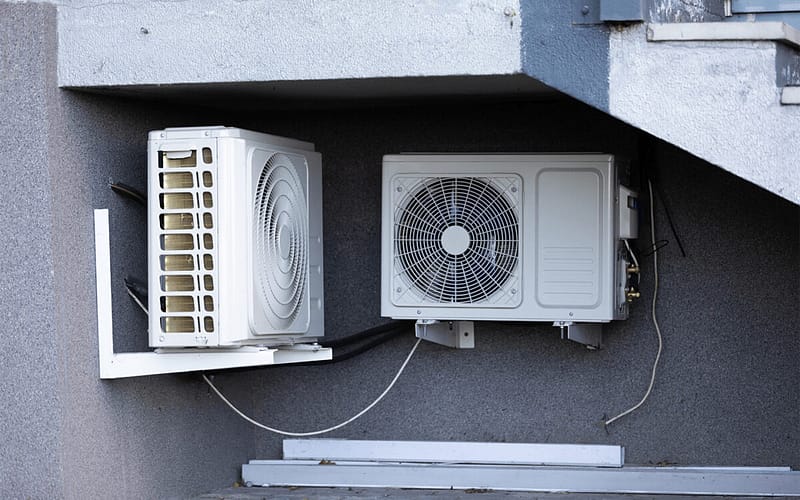
Air source heat pump insatlled under metalic stairs

Air source heat pumps are an exciting new type of low-carbon heating. They take the latent heat energy from the air outside and convert it into a usable form to supply your home’s heating and hot water. But are they worth the investment in the long-term?


In this comprehensive guide, we will explore the remarkable advantages that air source heat pumps bring to the table.

How Exactly Do Air Source Heat Pumps Work?

Air source heat pumps are highly efficient heating and cooling units that work by transferring heat from the air to your home. Unlike traditional combustion heating systems, ASHPs do not generate heat but actually extract it from the surrounding environment. These systems have an outdoor unit and an indoor unit, connected by a refrigerant line. They work like a refrigerator in reverse, extracting heat from the outside air and distributing it indoors during the winter months. In the summer, the system can be reversed to provide cooling by extracting warm air from the indoors and transferring it outside.

Long-term Benefits:

Unmatched Energy Efficiency

One of the best long-term benefits of air source heat pumps is their exceptional energy efficiency. ASHPs are designed to transfer heat rather than generate it, resulting in significantly reduced energy consumption compared to traditional heating systems. 

These pumps can produce up to four units of heat for every unit of electricity consumed, saving you lots of money in the long run. By reducing energy consumption, ASHPs not only contribute to cost savings but importantly, also help to minimise carbon emissions and combat climate change.


Environmental Friendliness

In the face of increasing concerns about climate change and air pollution, air source heat pumps offer a sustainable and environmentally friendly heating solution. ASHPs operate using electricity and do not rely on the combustion of fossil fuels, which eliminates direct emissions of carbon dioxide and other harmful pollutants. 

By transitioning to ASHPs, you can significantly reduce your carbon footprint and contribute to a cleaner and healthier environment. This shift towards renewable heating technologies is crucial in mitigating the impacts of climate change and creating a more sustainable future.


Cost Savings in the Long Run

While the initial installation cost of air source heat pumps may be higher than that of traditional heating systems, the long-term cost savings are well worth it. With their excellent efficiency, ASHPs end up consuming less energy, resulting in lower utility bills over time.

Additionally, these systems have a longer lifespan compared to conventional boilers, reducing the need for frequent replacements and costly repairs. 

It’s also important to consider the incentives and support that the Government offers, which greatly help in keeping the costs down. These incentives can include grants, rebates, tax credits, and low-interest financing options, making the installation of ASHPs more affordable and financially attractive. Additionally, many regions have implemented energy efficiency programs and initiatives that provide support and guidance for individuals and businesses seeking to embrace renewable heating technologies.


Versatility 

Air source heat pumps are incredibly versatile - they provide both heating and cooling solutions for residential and commercial applications. This means that you don’t need to get separate systems for different abilities, which reduces equipment and maintenance costs. This makes them a practical choice for year-round comfort with multiple uses.


Enhanced Comfort and Control

Air source heat pumps offer enhanced comfort and control over indoor temperatures. These systems provide consistent heating and cooling throughout the space, eliminating hot or cold spots commonly experienced with traditional heating systems. 

They also offer precise temperature control, allowing users to adjust settings to their desired comfort level. Additionally, ASHPs can be paired with smart thermostats and home automation systems, enabling remote control and energy management for optimal comfort and efficiency.


Noise Reduction and Improved Air Quality

Unlike traditional heating systems that rely on combustion, air source heat pumps operate quietly and produce no on-site emissions. This not only helps to reduce noise pollution but also improves indoor air quality. They do not release any combustion byproducts or particulate matter into the air, promoting a healthier and cleaner living environment. With ASHPs, homeowners can enjoy a peaceful and comfortable indoor space without compromising air quality.


Resilience and Energy Security

With the increasing volatility of fossil fuel prices and potential supply disruptions, transitioning to renewable heating technologies like air source heat pumps enhances energy resilience and security. By reducing reliance on fossil fuels, homeowners and businesses are less vulnerable to price fluctuations and geopolitical factors. ASHPs offer a stable and sustainable heating solution that can help mitigate the impacts of energy crises and ensure a consistent energy supply in the long run.

Conclusion

Air source heat pumps provide numerous long-term benefits, including high energy efficiency, eco-friendliness, significant cost savings, and increased comfort. Even though they may seem unfamiliar, these pumps are a brilliant sustainable heating solution that many should take advantage of. By choosing this great alternative, you are reducing your reliance on fossil fuels, ultimately lowering your carbon footprint and contributing to a cleaner and greener environment. 

Share
ashp installation icon

When considering sustainability and environmental responsibility, choosing the right heating system for your home or project is crucial. Air source heat pumps (ASHPs) have emerged as an increasingly popular and eco-friendly alternative to traditional heating systems that rely on fossil fuels. Not only do ASHPs significantly reduce carbon emissions, but they also offer cost-effective heating solutions for residential and commercial buildings. 

At Project Heating Solutions, we are dedicated to providing the best air source heat pump (ASHP) installation services in the industry. With our expertise and commitment to sustainability, we have become the preferred choice for homeowners and local authorities alike. In this article, we will explore the benefits of ASHPs, the installation process, and why Project Heating Solutions stands out as the top provider in the field.

The Advantages of Air Source Heat Pumps

Before diving into how we can help with your ASHP installation, let's first understand the benefits of air source heat pumps. Air source heat pumps are a highly energy-efficient and renewable heating solution that extracts heat from the external air. By harnessing this heat energy, ASHPs provide sustainable and low carbon heating for homes and businesses. There are several key advantages to choosing ASHPs over traditional heating systems:

  • Energy Efficiency: ASHPs excel in reducing energy consumption and carbon footprint. They convert ambient heat into warmth for your property, resulting in lower energy bills and reduced environmental impact.
  • Cost-Effectiveness: By investing in an ASHP, you not only save money on energy bills but also contribute to a greener, low-carbon future. These systems offer long-term savings and are eligible for government-backed financial incentives such as the Renewable Heat Incentive (RHI).
  • Versatility: ASHPs can provide both space heating and hot water, making them a versatile solution for all your heating needs. They can be integrated seamlessly with existing heating systems, enhancing overall efficiency.

The Air Source Heat Pump Installation Process

At Project Heating Solutions, we handle the entire ASHP installation process, ensuring a hassle-free and efficient experience for our customers. Our dedicated team of experts follows a comprehensive step-by-step process:

Pre-Installation Work: On-site Survey and Preparation

Before installation, we conduct a thorough on-site survey to understand your unique requirements. This includes assessing your current heating system, heat loss calculations, and evaluating any necessary modifications or upgrades.

Installation: Indoor and Outdoor Units

The ASHP installation begins with the setup of the indoor unit, which includes components like the heat exchanger and blower for space heating or air conditioning. The outdoor unit is then positioned in the designated outdoor space, securely anchored to ensure stability and efficient operation.

Refrigerant and Hot Water Pipes

Refrigerant lines and hot water pipes are expertly connected between the indoor and outdoor units. These lines facilitate the transfer of heat and hot water, and their proper sizing and insulation are critical for optimal performance.

Manifold Control Box Installation

A manifold control box, which manages the flow and distribution of hot water, is installed to ensure efficient heating and hot water delivery to different parts of the building.

Integration with Existing Systems

If you have existing heating or hot water systems, our team seamlessly integrates the ASHP to work alongside them. This flexibility enhances the overall efficiency of the heating system.

Commissioning and Calibration

Once the installation is complete, we commission and calibrate the ASHP system to ensure optimal performance. This includes setting temperature controls, airflow rates, and other system parameters.

Installer Training

We provide training to homeowners on the operation, maintenance requirements, and troubleshooting procedures of the ASHP system.

Post-Installation Inspection

To ensure the ASHP system is functioning correctly and efficiently, we conduct a post-installation inspection.

The Cost of Air Source Heat Pump Installation

The overall cost of ASHP installation can vary depending on factors such as the size and model of the system, the complexity of the installation, and any additional components or modifications required. At Project Heating Solutions, we offer competitive pricing and transparent cost breakdowns. We work closely with our customers to provide a cost-effective solution that meets their budget and heating needs.

Why Choose Project Heating Solutions?

Project Heating Solutions is the best choice for ASHP installation for several reasons:

  • Expertise and Experience: With our extensive experience in the industry, we have a deep understanding of ASHP technology and the installation process. Our team of skilled technicians and engineers are highly trained and dedicated to delivering top-quality results.
  • Comprehensive Project Management: We handle the entire ASHP installation project, ensuring a smooth and efficient process from start to finish. Whether it's a one-off installation for a homeowner or a bulk installation for a local authority, we have the expertise to manage the project effectively.
  • Maximising Funding Opportunities: We understand the importance of maximising funding opportunities for local authorities. By working closely with our clients, we ensure that the entire percentage of available funding is utilised effectively, resulting in maximum benefits for the community.
  • Focus on Sustainability: We are always committed to promoting sustainability and reducing carbon emissions. ASHPs offer a renewable heating solution that aligns with our mission of creating a greener future.
  • Customer Satisfaction: We prioritise customer satisfaction and strive to exceed expectations in every aspect of our service. From the initial consultation to post-installation support, we are dedicated to providing excellent customer care.

Conclusion

Choosing Project Heating Solutions for your ASHP installation will guarantee a cost-effective, efficient, and sustainable heating solution for your property. Our expertise, comprehensive project management, and focus on customer satisfaction set us apart from the competition.

Join us on the journey towards a greener future and experience the benefits of air source heat pumps with us. Reach out to us today to discuss how we can help you and get started on your ASHP installation project!

Share
Saving blocks with graph graphics

Are you tired of sky-high energy bills during the winter months? Wish there was a way to stay warm without emptying your wallet? Now, in 2023, there is a brilliant solution: Air Source Heat Pumps (ASHPs). Not only do they provide efficient and eco-friendly heating, but they can also save you money in the long run.

In this blog post, we'll explore the benefits of ASHPs, exploring how they work, their installation costs, and most importantly, 10 top tips on how to make the most out of your ASHP and keep your energy bills down.

Understanding Air Source Heat Pumps

Before we get into the money-saving tips, let's briefly touch on what ASHPs are. These innovative devices extract heat from the outside air and use it to warm up your home, even in the coldest of winters. The best part? This process operates efficiently, ensuring that your home remains warm while minimising energy consumption and environmental impact.

The Initial Investment: Installation Costs

The cost of installing an ASHP ranges from £7,000 to £13,000, which may seem like a significant investment. However, it’s important to view this installation as a long-term investment that not only enhances your comfort but also reduces your carbon footprint.

Money-Saving Tip #1: Explore Grants and Incentives

Before dismissing air source heat pumps as too expensive, explore government initiatives such as the Boiler Upgrade Scheme. This program provides grants of up to £7,500 for ASHP installations in homes across England and Wales, substantially reducing the daunting upfront cost. 

Money-Saving Tip #2: Size Matters

Selecting the right air source heat pump size for your home is crucial. Oversized units can lead to inefficiencies and increased operational costs. Consult with an expert to determine the perfect size for your needs.

Money-Saving Tip #3: Insulation is Key

A well-insulated home is very important when it comes to maximising air source heat pump efficiency. Proper insulation ensures that the heat generated is retained within your home, significantly reducing the workload on your ASHP.

Money-Saving Tip #4: Upgrade Your Radiators

Old radiators may not be up to the task of distributing heat efficiently from your air source heat pump. Consider upgrading to modern, energy-efficient radiators that are designed to work seamlessly with ASHPs, promoting optimal heat distribution.

Money-Saving Tip #5: Embrace Smart Thermostats

Smart thermostats serve as the central intelligence of your heating system. They adapt to your preferences and optimise your ASHP's performance. You can control them remotely, ensuring you’re not heating an empty home.

Money-Saving Tip #6: Regular Maintenance

Regular maintenance is fundamental to ensuring the longevity and efficiency of your air source heat pump. Scheduled inspections and upkeep routines ensure that your system operates at peak efficiency all the time. Don’t skip those annual check-ups.

Money-Saving Tip #7: Set Optimal Temperatures

Consider this: Do you truly require a tropical climate within your home during the winter? Minor adjustments, such as lowering your thermostat by a degree or two, can result in substantial long-term savings.

Money-Saving Tip #8: Off-Peak Electricity Rates

Some utility companies offer off-peak electricity rates that can be considerably cheaper. Consider running your ASHP during these periods to save on your energy bills.

Money-Saving Tip #9: Solar Power Integration

For the environmentally conscious homeowner, the installation of solar panels offers a unique opportunity to generate electricity to power your air source heat pump. This reduces your dependence on the grid, saving you money.

Money-Saving Tip #10: Take Advantage of Government Incentives

Apart from grants, there may be other government incentives available to you. Check if there are additional programs or tax incentives that can further reduce your ASHP costs.

The Long-Term Benefits:

When you embrace air source heat pump technology, you are choosing a wise and forward-thinking investment. While the initial costs may seem daunting, the long-term benefits are unmatched. ASHPs are renowned for their efficiency and capacity to significantly lower heating expenses over time. Furthermore, their environmentally friendly operation reduces your carbon footprint, contributing to a more sustainable future.

So What Next?

Incorporating an air source heat pump into your home heating system is a smart move for both your comfort and your finances. By following these money saving tips, you can make the most out of your ASHP while staying on top of your energy expenditures. 

From grants to smart thermostats and energy-efficient radiators, there are plenty of ways to maximise your ASHP’s potential and stay within your budget. So, are you ready to embark on a journey toward a more efficient, cost-effective, and eco-friendly home? ASHPs are the way forward, and your wallet will thank you for it!

Contact PHS for more information today.


Share
The Rundown Changes To Heat Pump Plan By The Government

I’m sure you’re aware of the recent news that has sparked discussions about how we heat our homes and businesses. As we all try to be more sustainable, air source heat pumps have stuck out as being a great solution.

Financial help is available through various government grants and schemes, making air source heat pumps more affordable for homeowners and businesses.

But what are these air source heat pumps, and why does it matter?

Recent changes in the UK Government’s approach aim to make them more accessible and affordable for everyone.


Delaying Mandates for Smooth Transition

One significant change is the UK Government’s decision to push back mandatory air source heat pump installations until 2035. This extension provides households and businesses with essential breathing room they need to adapt to this transformative technology, which has the potential to increase house prices, reduce energy bills, and improve the rating of a home's energy performance certificate. It recognises that substantial changes require a gradual transition to ensure a seamless shift without disruptions.

According to Lord Callanan, Minister for Energy Efficiency and Green Finance, “Today’s changes go even further and will mean even more people could benefit from making the switch, offering them the option for a low-emission, low-cost form of heating their homes.” 

Boiler Upgrade Grant

A game-changer is the improvement of the Boiler Upgrade Grant, a programme that supports replacing gas boilers with air source heat pumps. This government grant is increasing from £5000 to £7500, which reduces the upfront costs of purchase and installation when adopting air source heat pump systems. The goal? Encourage more consumers to explore this energy-efficient alternative heating system for their homes.

Whilst the grant for air source heat pump stands at £7,500, other heating systems (ground source heat pumps and biomass boilers) can also benefit from government grants of £5,000.

Recent plans (like the Warm Homes Plan) indicate the scheme's budget is being boosted significantly, with a planned near-doubling for the 2025/2026 financial year to help accelerate uptake.

Lord Callanan affirms, “While a heat pump can be installed for a similar price to installing a gas boiler, the support we’ve put in place means it is an option for more and more households.” 

Variable Air Source Heat Pump Grants

To make sure they cater to the diverse needs of households and businesses, the UK Government is introducing variable grants based on property type and existing fuel sources. This tailored approach aims to make air source heat pumps financially feasible for a broader demographic. By recognising consumers’ unique requirements, this initiative's aim is to encourage the widespread adoption of this renewable energy option.

These variable grants directly reduce the overall price of installing an air source heat pump, making it more accessible to a wider range of households.

Simplified Qualification Process

Another change is streamlining the qualification process, although applicants must still meet specific eligibility criteria. They have eliminated the previous requirement for loft or cavity wall insulation before qualifying for air source heat pump grants. This simplification seeks to improve the grant application process and create a more straightforward path to adopting heat pump systems. While insulation is no longer a strict requirement for the grant, having a well-insulated home is still highly recommended, ensuring the air source heat pump runs efficiently and cost-effectively. You must still have a valid energy performance certificate (EPC) that is not more than 10 years old. In addition, the following criteria must be met for grant approval, such as the property type and minimum EPC rating.

£450m Boiler Upgrade Scheme Extended

Looking beyond these immediate changes, it’s essential to consider the bigger picture. Air source heat pumps play a pivotal role in reducing carbon emissions associated with heating. They operate efficiently by harnessing heat from the air or ground, using clean electricity instead of fossil fuels. To further reinforce this transition, government funding has extended the £450 million Boiler Upgrade Scheme until 2028, offering air source heat pump grants.

Homeowners can apply for a source heat pump grant through various government programs, including the Boiler Upgrade Scheme. Other schemes, such as the Renewable Heat Incentive, also provide financial support for renewable heating solutions. The Scottish government is actively promoting heat pump adoption through grants and incentives. In Scotland, interest free loans are available to help cover the upfront costs of heat pump installation, and these can be combined with grants. Households receiving government benefits may be eligible for additional financial support for heat pump installation. Higher grant amounts are available for residents in rural areas and remote areas, with a rural uplift specifically increasing support for those in remote locations. This commitment aligns with the goal of achieving low-carbon heating solutions.

“Heat pumps are a vital tool in cutting the carbon emissions from people heating their homes, while also helping to drive down costs and boosting our energy security,” emphasises Lord Callanan.

Reducing Energy Bills

One of the most compelling reasons to consider an air source heat pump is the potential to significantly reduce your energy bills. Supported by the Boiler Upgrade Scheme and a range of heat pump grants, switching to a low carbon heating system like an air source heat pump can help you cut both your energy costs and your carbon footprint. Thanks to their impressive energy efficiency, air source heat pumps are quickly becoming the go-to choice for homeowners looking to lower their energy consumption and monthly expenses. In fact, according to the government, installing an air source heat pump could save you up to £1,300 per year on your energy bills, depending on your system capacity and how much energy you use.

To access these savings and qualify for heat pump grants, you’ll need a valid Energy Performance Certificate (EPC) and must meet certain energy efficiency criteria. Your EPC rating, which ranges from A (most energy efficient) to G (least efficient), is a key factor in determining eligibility for many heat pump grants. Most schemes, such as the Home Energy Scotland scheme, prioritise support for homes that stand to benefit most from energy efficiency upgrades. Checking your EPC rating is a great first step, and you may find you’re eligible for additional support to help cover the costs of installing an air source heat pump.

Beyond the financial savings, air source heat pumps also play a vital role in reducing carbon emissions and supporting a greener future. By moving away from fossil fuel-based heating systems and embracing renewable energy, you can make your home more environmentally friendly and help the UK meet its ambitious carbon reduction targets. Air source heat pumps can also be paired with other renewable technologies, like solar panels, to create an even more energy efficient and sustainable home energy system.

While the upfront costs of installing an air source heat pump can be significant, there’s a wide range of government grants and financial support available to help. The Boiler Upgrade Scheme offers grants of up to £7,500, making it easier to manage the initial investment. For low income households and those experiencing fuel poverty, the Energy Company Obligation (ECO) scheme provides additional funding for energy efficiency upgrades, including air source heat pump installation. Interest-free loans and other financial support options are also available, helping to make the transition to a low carbon heating system more accessible for everyone.

In summary, installing an air source heat pump is a smart way to reduce your energy bills and carbon emissions, all while benefiting from generous government grants and financial support. By exploring your eligibility and taking advantage of available schemes, you can make your home warmer, more energy efficient, and ready for a greener future.

How have existing heat pump customers responded?

High consumer satisfaction with air source heat pumps isn’t just anecdotal. A remarkable 92% of surveyed heat pump owners expressed high satisfaction with the technology after two winters of use. To ensure that policies align with consumer and industry needs, the government actively seeks input from stakeholders, including certified air source heat pump installers, manufacturers, and suppliers. Working with a certified installer is crucial for successful grant applications and proper installation, making collaboration with these key players vital to shaping effective and responsive policies.

How will this impact the future?

The Future Homes Standard represents another significant milestone. While it won’t dictate specific technologies, it will establish a performance-based benchmark for new homes. They will be built with high energy efficiency and fitted with low-carbon heating systems, effectively banning new fossil fuel boilers. This standard aims to discourage the use of fossil fuel heating in new constructions. The government is showing its commitment to reducing carbon emissions through the promotion of air source heat pumps as low carbon heating systems. Government grants and schemes will continue to support the installation of a new heat pump in both existing and new homes. The latest expected timeline suggests that the regulations will become law in December 2026, with a transition period ending in December 2027, after which all new homes must comply.

The recent changes in the government’s approach to air source heat pumps marks a significant step toward a more sustainable future in heating. By delaying mandates, increasing financial support for heat pump costs, tailoring heat pump grants, and simplifying qualification processes, the government is making it easier for consumers to embrace this eco-friendly technology. Air source heat pumps offer both economic and environmental benefits, and the government’s initiatives are working to bring about a greener future in heating solutions.

The transition to air source heat pumps is an opportunity to reduce your carbon footprint and contribute to sustainability. Get in touch and see how we can help you do that today.

Share
heat pump installation cost

With the desire for energy efficiency and sustainability growing, air source heat pumps (ASHPs) have emerged as a compelling solution for homeowners looking to reduce their energy bills while minimising their carbon footprint.

If you're exploring ways to make your home more energy-efficient and cut down on heating costs without a traditional gas boiler, air source heat pumps might just be the answer you've been searching for.

At Project Heating Solutions (PHS), we're passionate about providing expert heating solutions to our customers. We provide solar panels, air source heat pumps, and expert installation from certified installers, for both commercial and domestic properties.

In this blog, we'll learn why air source heat pumps are the perfect solution for anyone looking to save money on energy bills, running costs, and increase their heating system efficiency.

How Much Can Air Source Heat Pumps Save On Electricity Bills?

We all know that heating and hot water costs can be a significant portion of your annual expenses. However, air source heat pumps have the power to change that equation in your favour.

Switching to air source heat pumps can cut your annual fuel bill by hundreds of pounds. Whether you're currently using electric, coal, or LPG systems, an air source heat pump can make a remarkable difference in your monthly budget, compared to a traditional boiler.

The Government's Incentive To Decrease Carbon Footprint

As well as saving hundreds of pounds per year, here's another reason to consider air source heat pumps – the UK government's Boiler Upgrade Scheme. Under the government's Boiler Upgrade Scheme (BUS), you can currently receive a generous £7500 voucher when you install an air source heat pump.

This initiative aims to promote the adoption of low carbon heating technologies and this renewable heat incentive has been proposed to be increased in value to £7500 in the coming months. In other words, the government is literally encouraging you to save money with a heat pump compared to a traditional boiler, while making your home more energy-efficient than your existing heating system.

Cost-Effective Air Source Heat Pump Installation

If you're concerned about the cost and hassle of installing a new heating system, don't be. Air source heat pump installations can be up and running in as little as two days. The best part? You won't need to dig up your garden or outdoor space, as is often necessary with ground source heat pumps.

Air source heat pumps are suitable for both retrofitting into existing homes and incorporating into new builds. This means you can start saving money sooner than you might think with a renewable energy source and a heat pump's efficiency.

Minimal Maintenance, Maximum Savings

Nobody wants to spend their precious time and money on maintaining their heating system. With air source heat pumps, you won't have to. Heat pump systems require minimal maintenance to keep your home at a comfortable temperature with cheaper electricity costs.

An annual servicing by a qualified heating engineer from PHS is a good idea, but homeowners can handle tasks like cleaning filters and checking for leaks and refrigerant levels. This means more money saved and less hassle than an old boiler. The actual savings vary depending on your home's insulation, home layout, and energy usage, but we're on hand to answer any questions you may have about how much you could save.

Talk To Our Expert Team

Long-Lasting Savings

Investing in an air source heat pump isn't just about saving money today; it's about securing your financial future. These systems have a long lifespan, often reaching up to 20 years or more with proper maintenance. Most come with 5-year warranties, providing you with peace of mind for years to come.

Some models are so robust that they can efficiently operate for nearly 25 years. When you choose air source heat pumps, you're investing in a heating solution that keeps giving back over the long term.

The seasonal performance factor of an air source heat pump is high compared to fossil fuels, keeping energy prices and heating prices low even in winter.

Eliminate Fuel Storage Costs

Another significant cost-saving aspect of air source heat pump is the elimination of fuel storage. Air source heat pumps use outside air (and outside heat in summer) serves as the fuel source, removing the need for additional expenses associated with fossil fuels from energy companies.

No more worrying about biomass or oil-fired boilers and the associated fees. Air source heat pumps simplify your life and your heating bills budget, especially when you take advantage of government grants.

Maximising Energy Efficiency

Understanding why air source heat pumps work and save you money goes beyond their cost-effective operation. Unlike traditional HVAC systems, air source heat pumps don't generate heat through combustion; instead, they move heat from one place to another.

This process is significantly more energy-efficient, especially in colder climates. Some air source heat pumps can maintain 100% efficiency at temperatures as low as -15°C. This means you're saving money even when the weather is at its harshest with a seasonal coefficient air source heat pump.


Substantial Reduction in Heating Costs

According to the Environmental Protection Agency, air source heat pumps can reduce electricity usage for heating by up to 50% compared to electrical furnaces and baseboard heaters.

This means you're not only staying warm and comfortable during the winter, but you're also doing it at a fraction of the energy use cost by installing a heat pump.

PHS: Your Trusted Air Source Heat Pump Installer

Air source heat pumps are not just another heating solution; they are a pathway to transforming your financial outlook. They are a modern solution that not only saves money, but reduces your carbon footprint, so you can have peace of mind that you’re contributing to a greener future. As gas prices rise, it's the perfect time to install a low carbon heating system.

So, can you really save money with a heat pump? Absolutely. But don't just take our word for it – take action today. Consult with experienced professionals at PHS to find out the costs and savings based on your unique circumstances and the installation process for your home layout. The future of energy-efficient, cost-effective heating is within your reach. 

Share

PHS are leaders in heat pump installation and not only offer the product itself, but also installation so you can cut your heating bills and get a qualified professional to install the air source heat pump all from one place.

In recent years, air source heat pumps have gained significant attention as a sustainable and highly efficient heating solution for homes and businesses of any property size.

Heat pumps offer an eco-friendly alternative to traditional heating systems, and unlike gas boilers, they require less maintenance and save you money on annual running costs.

In this article, we will explore the intricacies of air source heat pumps and their electricity consumption to help you make an informed decision about adopting this green technology from energy experts at PHS.

Understanding Air Source Heat Pumps

Before diving into electricity consumption, let’s grasp the fundamentals of air source heat pumps.

These devices work on a simple principle: they extract heat from the outdoor air and use it to heat your indoor space. Here’s a brief overview of how heat pumps work:

Basic Working Principle: Air source heat pumps absorb heat from the outside air, even in colder temperatures, and transfer it into your already warm home through a refrigeration cycle. This process is similar to how a refrigerator removes heat from its interior.

Different from Traditional Heating Systems: Unlike conventional heating systems that burn fuel (like gas or oil) to generate heat, air source heat pumps move heat from one place to another, making them highly energy-efficient.

Environmental Benefits: One of the key advantages of air source heat pumps is their reduced carbon footprint. They use electricity to move heat, making them more environmentally friendly compared to systems that directly burn fossil fuels.

Ground source heat pumps work by sucking up heat from the earth and turning it into heat output in your home. Overall, air source heat pumps have a lower upfront cost and are generally cheaper to install.

Factors Affecting Electricity Consumption

Now, let’s delve into the factors that influence the electricity consumption of air source heat pumps:

1. Temperature and Climate Conditions: The outdoor temperature and climate play a crucial role in determining how much electricity your heat pump will use. These pumps are most efficient in moderate climates, and their performance decreases in extreme or cold weather.

2. Size and Capacity: The size and capacity of the heat pump must match the heating requirements of your space. An undersized pump will run continuously and consume more electricity, while an oversized one might not operate efficiently.

3. Insulation and Energy-Efficiency: A well-insulated property retains heat better, reducing the workload on your heat pump. Proper insulation can significantly affect electricity consumption, save money, and lower the overall cost of your energy bills.

4. User Habits and Settings: How you use and program your heat pump also impacts electricity usage. Setting the thermostat too high or running the pump constantly can lead to higher energy consumption.

Measuring Electricity Consumption

To measure how much electricity your air source heat pump consumes, you’ll want to keep an eye on your energy meter, typically measured in kilowatt-hours (kWh). Here’s a simplified example:

Suppose your heat pump consumes 5kWh per day on average. Over a month (30 days), this would amount to 150kWh. The actual consumption varies depending on the factors mentioned earlier, especially temperature and usage patterns.

Comparing this consumption to current averages of other heating options, such as gas or oil, can provide valuable insights into the cost-effectiveness of your heat pump, with massive potential savings.

Seasonal Variation: Running Costs

Electricity consumption by air source heat pumps can fluctuate significantly throughout the year due to changing weather conditions. Here’s what to expect:

Colder Months: During winter, when outdoor temperatures drop, your heat pump has to work harder to extract heat from the colder air. This may lead to increased electricity usage running costs, although the exact cost may vary.

Warmer Months: In milder seasons, the heat pump operates more efficiently, as it doesn’t need to extract the heat from extremely cold air. Therefore, electricity consumption tends to be lower, and average running costs shrink too.

Air Source Heating Cost of Electricity

Understanding the cost of electricity is essential when evaluating the economics of running cost of air source heat pumps. In the UK, the average cost of electricity per unit (kWh) is around 27p. Let’s calculate the potential monthly and annual costs of running an air source heat pump:

Suppose your property needs 15,000kWh per month to heat your home and your heat pump had an SPF of 3.68 it would cost approximately £1100.54 a year to run your air source heat pump at 27p p/kwh

For the same property on gas based upon an 85% efficient gas boiler at 7.47p p/kwh it would cost approximately £1344.60

When you take heating the hot water into consideration, then a typical gas boiler and an air source heat pump will end up costing around the same per year to run your home

Comparatively, it’s worth considering the costs of alternative heating methods, such as gas or oil, to determine the overall cost savings of using an air source heat pump.

Efficiency Ratings & Uses

Efficiency ratings, such as COP (Coefficient of Performance) and HSPF (Heating Seasonal Performance Factor), are crucial when selecting an air source heat pump. These ratings provide insight into how efficiently the pump converts electricity into heat. Higher ratings indicate better efficiency.

For example, a COP efficiency rating of 3 means that for every 1kWh of electricity used, the heat pump produces 3kWh of heat. Investing in a heat pump with higher efficiency ratings can lead to lower electricity bills.

A more powerful heat pump can also power your underfloor heating.

Environmental Impact

Aside from electricity consumption, it’s essential to consider the environmental impact of air source heat pumps. These systems use electricity, which can be generated from renewable sources, contributing to a lower carbon footprint.

Additionally, many modern heat pumps use eco-friendly refrigerants that are less harmful to the environment than gas boilers. Even a new gas boiler or oil boiler is harmful to the environment, as they all emit carbon, which counteracts the global effort to lower temperature of the world and avoid the catastrophe of climate change.

Maintenance and Servicing

To ensure your air source heat pump operates efficiently and consumes the least amount of electricity, regular maintenance is essential. Here are some maintenance tips:

1. Clean Filters: Dirty filters reduce airflow, making your pump work harder. Clean or replace them as needed.

2. Check Refrigerant Levels: Ensure the refrigerant levels are optimal. Low levels can reduce efficiency.

3. Inspect Coils and Fans: Keep the coils and fans clean and free from debris for efficient heat exchange.

4. Professional Servicing: Schedule professional maintenance at least once a year to address any potential issues and ensure peak performance.

Proper maintenance can significantly impact electricity consumption and extend the lifespan of your air source heat pump.

Future Trends in Air Source Heat Pump Technology

The future of air source heat pumps looks promising, with ongoing technological advancements. Here are a few trends to watch:

1. Improved Efficiency: Manufacturers continue to enhance the efficiency of heat pumps, making them even more cost-effective.

2. Smart Technology: Integration with smart thermostats and home automation systems allows for more precise control and energy savings by searching for the best current energy prices.

3. Renewable Integration: Heat pumps are increasingly designed to work seamlessly with renewable energy sources like solar and wind power, generating enough energy for the heat demand of the average household.

PHS: Trusted Heat Pump Installers

Air source heat pumps offer an energy-efficient and eco-friendly heating solution. While their electricity consumption varies depending on several factors, they can significantly reduce your carbon footprint and energy bills when properly sized, installed, and maintained.

When considering an air source heat pump, we can assess your property’s specific requirements and climate conditions to help you make an informed decision.

We can give you a quote for heat pump installation costs, heat pump service, and help with information on heat pump grants (government grants) to help you on your renewable journey.

Contact PHS now for a heat pump quote tailored to your needs.

Heat Pump Cost FAQs

Can an air source heat pump entirely replace my existing heating system?

Yes, in most cases, an air source heat pump can serve as the primary central heating system for your home.

Are air source heat pumps suitable for all climate conditions?

They work well in moderate climates, but may be less efficient in extremely cold regions.

How long does an air source heat pump last?

With proper maintenance, air source heat pumps can last 15-20 years.

Is it possible to integrate solar panels with an air source heat pump?

Yes, combining a solar PV system with a heat pump can further reduce the annual cost of your electricity and make a big difference.

Can I install an air source heat pump myself, or do I need a professional?

Professional installation is recommended to ensure safety and efficiency.

What noise level can I expect from an air source heat pump?

Modern heat pumps are designed to operate quietly, but noise levels can vary. Check the product specifications.

How can I reduce my electricity bill while using an air source heat pump?

Adding sufficient insulation in cavity wall, carrying out regular maintenance, adding loft insulation, and setting the thermostat optimally can help reduce electricity costs and reduce heat loss.

Share