
PHS are leaders in heat pump installation and not only offer the product itself, but also installation so you can cut your heating bills and get a qualified professional to install the air source heat pump all from one place.
In recent years, air source heat pumps have gained significant attention as a sustainable and highly efficient heating solution for homes and businesses of any property size.
Heat pumps offer an eco-friendly alternative to traditional heating systems, and unlike gas boilers, they require less maintenance and save you money on annual running costs.
In this article, we will explore the intricacies of air source heat pumps and their electricity consumption to help you make an informed decision about adopting this green technology from energy experts at PHS.
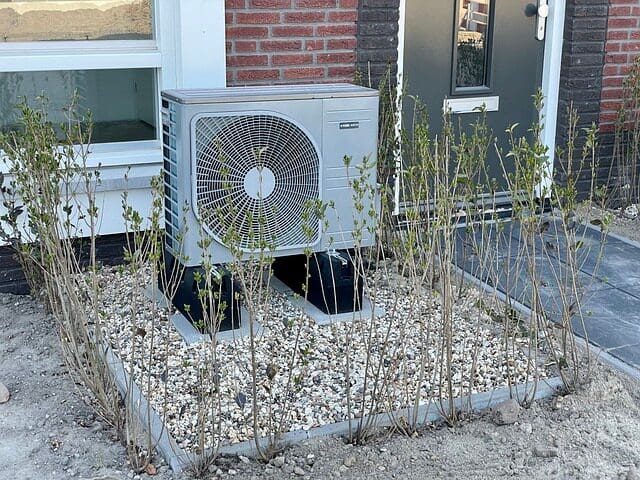
Understanding Air Source Heat Pumps
Before diving into electricity consumption, let’s grasp the fundamentals of air source heat pumps.
These devices work on a simple principle: they extract heat from the outdoor air and use it to heat your indoor space. Here’s a brief overview of how heat pumps work:
Basic Working Principle: Air source heat pumps absorb heat from the outside air, even in colder temperatures, and transfer it into your already warm home through a refrigeration cycle. This process is similar to how a refrigerator removes heat from its interior.
Different from Traditional Heating Systems: Unlike conventional heating systems that burn fuel (like gas or oil) to generate heat, air source heat pumps move heat from one place to another, making them highly energy-efficient.
Environmental Benefits: One of the key advantages of air source heat pumps is their reduced carbon footprint. They use electricity to move heat, making them more environmentally friendly compared to systems that directly burn fossil fuels.
Ground source heat pumps work by sucking up heat from the earth and turning it into heat output in your home. Overall, air source heat pumps have a lower upfront cost and are generally cheaper to install.

Factors Affecting Electricity Consumption
Now, let’s delve into the factors that influence the electricity consumption of air source heat pumps:
1. Temperature and Climate Conditions: The outdoor temperature and climate play a crucial role in determining how much electricity your heat pump will use. These pumps are most efficient in moderate climates, and their performance decreases in extreme or cold weather.
2. Size and Capacity: The size and capacity of the heat pump must match the heating requirements of your space. An undersized pump will run continuously and consume more electricity, while an oversized one might not operate efficiently.
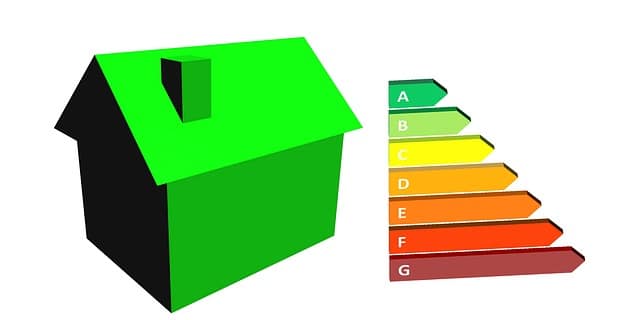
3. Insulation and Energy-Efficiency: A well-insulated property retains heat better, reducing the workload on your heat pump. Proper insulation can significantly affect electricity consumption, save money, and lower the overall cost of your energy bills.
4. User Habits and Settings: How you use and program your heat pump also impacts electricity usage. Setting the thermostat too high or running the pump constantly can lead to higher energy consumption.
Measuring Electricity Consumption
To measure how much electricity your air source heat pump consumes, you’ll want to keep an eye on your energy meter, typically measured in kilowatt-hours (kWh). Here’s a simplified example:
Suppose your heat pump consumes 5kWh per day on average. Over a month (30 days), this would amount to 150kWh. The actual consumption varies depending on the factors mentioned earlier, especially temperature and usage patterns.
Comparing this consumption to current averages of other heating options, such as gas or oil, can provide valuable insights into the cost-effectiveness of your heat pump, with massive potential savings.
Seasonal Variation: Running Costs
Electricity consumption by air source heat pumps can fluctuate significantly throughout the year due to changing weather conditions. Here’s what to expect:
Colder Months: During winter, when outdoor temperatures drop, your heat pump has to work harder to extract heat from the colder air. This may lead to increased electricity usage running costs, although the exact cost may vary.
Warmer Months: In milder seasons, the heat pump operates more efficiently, as it doesn’t need to extract the heat from extremely cold air. Therefore, electricity consumption tends to be lower, and average running costs shrink too.

Air Source Heating Cost of Electricity
Understanding the cost of electricity is essential when evaluating the economics of running cost of air source heat pumps. In the UK, the average cost of electricity per unit (kWh) is around 27p. Let’s calculate the potential monthly and annual costs of running an air source heat pump:
Suppose your property needs 15,000kWh per month to heat your home and your heat pump had an SPF of 3.68 it would cost approximately £1100.54 a year to run your air source heat pump at 27p p/kwh
For the same property on gas based upon an 85% efficient gas boiler at 7.47p p/kwh it would cost approximately £1344.60
When you take heating the hot water into consideration, then a typical gas boiler and an air source heat pump will end up costing around the same per year to run your home
Comparatively, it’s worth considering the costs of alternative heating methods, such as gas or oil, to determine the overall cost savings of using an air source heat pump.
Efficiency Ratings & Uses
Efficiency ratings, such as COP (Coefficient of Performance) and HSPF (Heating Seasonal Performance Factor), are crucial when selecting an air source heat pump. These ratings provide insight into how efficiently the pump converts electricity into heat. Higher ratings indicate better efficiency.
For example, a COP efficiency rating of 3 means that for every 1kWh of electricity used, the heat pump produces 3kWh of heat. Investing in a heat pump with higher efficiency ratings can lead to lower electricity bills.
A more powerful heat pump can also power your underfloor heating.
Environmental Impact
Aside from electricity consumption, it’s essential to consider the environmental impact of air source heat pumps. These systems use electricity, which can be generated from renewable sources, contributing to a lower carbon footprint.
Additionally, many modern heat pumps use eco-friendly refrigerants that are less harmful to the environment than gas boilers. Even a new gas boiler or oil boiler is harmful to the environment, as they all emit carbon, which counteracts the global effort to lower temperature of the world and avoid the catastrophe of climate change.
Maintenance and Servicing
To ensure your air source heat pump operates efficiently and consumes the least amount of electricity, regular maintenance is essential. Here are some maintenance tips:
1. Clean Filters: Dirty filters reduce airflow, making your pump work harder. Clean or replace them as needed.
2. Check Refrigerant Levels: Ensure the refrigerant levels are optimal. Low levels can reduce efficiency.
3. Inspect Coils and Fans: Keep the coils and fans clean and free from debris for efficient heat exchange.
4. Professional Servicing: Schedule professional maintenance at least once a year to address any potential issues and ensure peak performance.
Proper maintenance can significantly impact electricity consumption and extend the lifespan of your air source heat pump.

Future Trends in Air Source Heat Pump Technology
The future of air source heat pumps looks promising, with ongoing technological advancements. Here are a few trends to watch:
1. Improved Efficiency: Manufacturers continue to enhance the efficiency of heat pumps, making them even more cost-effective.
2. Smart Technology: Integration with smart thermostats and home automation systems allows for more precise control and energy savings by searching for the best current energy prices.
3. Renewable Integration: Heat pumps are increasingly designed to work seamlessly with renewable energy sources like solar and wind power, generating enough energy for the heat demand of the average household.

PHS: Trusted Heat Pump Installers
Air source heat pumps offer an energy-efficient and eco-friendly heating solution. While their electricity consumption varies depending on several factors, they can significantly reduce your carbon footprint and energy bills when properly sized, installed, and maintained.
When considering an air source heat pump, we can assess your property’s specific requirements and climate conditions to help you make an informed decision.
We can give you a quote for heat pump installation costs, heat pump service, and help with information on heat pump grants (government grants) to help you on your renewable journey.
Contact PHS now for a heat pump quote tailored to your needs.

Heat Pump Cost FAQs
Can an air source heat pump entirely replace my existing heating system?
Yes, in most cases, an air source heat pump can serve as the primary central heating system for your home.
Are air source heat pumps suitable for all climate conditions?
They work well in moderate climates, but may be less efficient in extremely cold regions.
How long does an air source heat pump last?
With proper maintenance, air source heat pumps can last 15-20 years.
Is it possible to integrate solar panels with an air source heat pump?
Yes, combining a solar PV system with a heat pump can further reduce the annual cost of your electricity and make a big difference.
Can I install an air source heat pump myself, or do I need a professional?
Professional installation is recommended to ensure safety and efficiency.
What noise level can I expect from an air source heat pump?
Modern heat pumps are designed to operate quietly, but noise levels can vary. Check the product specifications.
How can I reduce my electricity bill while using an air source heat pump?
Adding sufficient insulation in cavity wall, carrying out regular maintenance, adding loft insulation, and setting the thermostat optimally can help reduce electricity costs and reduce heat loss.