Manchester

In recent years, solar panels have moved from niche technology to a mainstream option for UK homeowners. But beyond the environmental appeal, one of the key questions many homeowners ask is: What’s the long-term return on investment (ROI) of installing solar panels? Is it worth the upfront cost?

The answer, in short, is yes—solar panels and solar technology as a whole can provide a significant financial return over time. But to truly understand their value, we need to take a closer look at the specific benefits, potential savings, and factors affecting solar PV energy in the UK market.

Download our "Introduction To Solar" (PDF)

Learn more about the environmental benefits of solar, their impact, and why renewable energy is the future.

    1. The Upfront Costs: Investment vs. Value

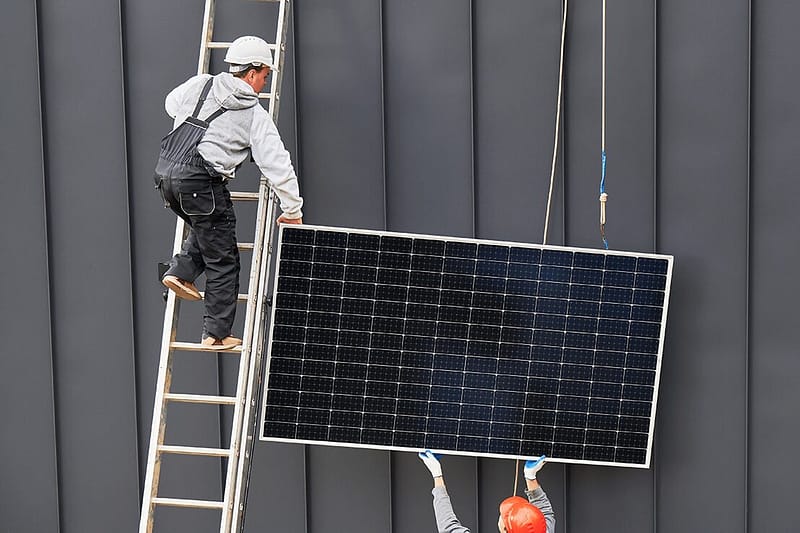
    Installing solar panels requires an initial investment. On average, UK homeowners can expect to pay anywhere between £4,000 to £8,000 for a typical residential solar PV system, depending on the size and energy needs of the household. For many, this upfront cost can seem daunting. However, it's important to consider solar panel installations as a long-term investment that pays for itself over time.

    With modern systems lasting 25 to 30 years, the initial investment is spread out across decades, making the monthly or yearly return on investment more appealing. Most importantly, as energy prices continue to rise across the UK, the upfront investment in solar panels helps insulate homeowners from escalating costs by providing free, renewable energy from the sun.

    2. Savings on Energy Bills

    Perhaps the most immediate and obvious benefit of solar panels is the reduction in energy bills. Once installed, your solar panels will begin producing electricity right away, reducing your dependence on electricity from the grid. Over the course of a year, the typical UK household can save around £300 to £500 annually on electricity bills, depending on system size, location, and energy consumption patterns.

    In some cases, homes with larger systems that generate more electricity than they consume can achieve even greater savings, with the potential to offset nearly all of their electricity costs. By lowering your reliance on grid electricity providers, you can significantly cut down on your household’s regular outgoings and achieve greater energy independence, along with annual savings on electricity bills.

    3. The Smart Export Guarantee (SEG): Earning Money from Your Solar Power

    The Smart Export Guarantee (SEG), which replaced the Feed-in Tariff (FiT) in 2020, allows UK homeowners to earn money by exporting excess electricity generated by their solar panels back to the grid. This scheme pays homeowners for the energy they don’t use, providing another layer of financial return and energy security.

    While the exact rate of payment depends on your energy provider, it typically ranges from 2p to 6p per kWh of electricity exported. For households generating more electricity than they use, this can add a few hundred pounds per year to your savings. Although the rates are currently lower than the original FiT scheme, SEG still offers a valuable revenue stream that contributes to the overall ROI.

    4. Increased Property Value

    Adding solar panels to your home is also likely to increase its market value. More and more homebuyers in the UK are looking for properties with energy-efficient upgrades, particularly as energy costs rise and environmental concerns grow. Studies have shown that homes with solar panels (or enough roof space to install higher efficiency panels) can see an increase in resale value by as much as 4% to 6%, depending on the region.

    For a home worth £300,000, this could translate into an additional £12,000 to £18,000 in resale value—well above the initial cost of installation. This makes solar panels a savvy investment for homeowners who are considering selling their property in the future.

    5. Government Incentives and Tax Breaks

    While the initial costs of solar panels can be high, various government incentives can help to ease the financial burden for UK homeowners. The Zero VAT on Solar Panels, introduced in 2022, means you no longer need to pay Value Added Tax when purchasing and installing solar panels. This represents a 20% saving on the total cost of the system, significantly reducing the initial outlay.

    Additionally, if you qualify for certain government schemes that support renewable energy installations, such as the Green Homes Grant (now closed, but similar solar grants may be introduced), you may benefit from further financial assistance for your solar power system, bringing the ROI even higher and closing the payback period gap.

    6. Protection Against Rising Energy Costs

    One of the long-term financial benefits of installing solar panels is protection against future energy price hikes. Over the past decade, energy costs in the UK have been rising steadily, with further increases expected due to inflation and growing demand. Even with the growing use of wind turbines and solar energy systems, some people still find it difficult to find energy bill savings.

    By producing your own electricity with solar installations and storing it with solar battery storage, you insulate yourself from market volatility and price rises. This is especially valuable as gas and electricity prices remain unpredictable. Solar panels allow you to become energy independent, giving you more control over your home’s energy costs.

    7. Environmental Impact: A Priceless ROI

    While the financial return on investment is crucial, it’s also important to remember the environmental ROI of installing solar panels. By generating your own clean, renewable energy, you’ll be reducing your home’s carbon footprint, helping the UK meet its ambitious climate goals, and contributing to a more sustainable future with enough power for our homes.

    The average household solar panel system can reduce carbon emissions by as much as 1.5 to 2 tonnes of CO2 per year. Over the lifespan of your solar panel system, this adds up to a significant positive impact on the environment—an ROI that goes beyond just pounds and pence.

    8. Long-Term Reliability and Low Maintenance Costs

    Modern solar panel systems are designed to be incredibly durable and require very little maintenance. Once installed, your solar panel system will typically only require an annual inspection to ensure everything is functioning optimally. With no moving parts, the risk of breakdowns is low, and the typical solar panel manufacturer offers warranties of 20 to 25 years.

    These long warranties and low maintenance costs ensure that you won’t need to invest heavily in upkeep, allowing you to reap the financial benefits of energy generation and energy savings for decades without constant expenditure.

    Is Installing Solar Panels in the UK Worth It?

    In short, yes—solar panels offer a solid return on investment for UK homeowners. With rising energy bills, government incentives, the Smart Export Guarantee, and increased property values, the financial benefits are clear. And while the upfront cost might be significant, it’s important to view solar panels as a long-term investment that pays for itself many times over during its lifespan.

    Beyond the financials, the environmental benefits of reducing your home’s carbon footprint and contributing to a greener future make solar panels a wise choice for homeowners looking to invest in sustainability. So, if you’re considering making the switch, there’s no better time than now to future-proof your home with solar power. Get in touch with us at PHS if you’re looking to make the switch - we’ll happily walk you through the process and what you need to do next!

    Solar Panel Return On Investment FAQs

    Is investing in solar power a good investment?

    Absolutely. The energy savings with a solar panel system are huge, and with solar battery storage, you can keep excess energy or sell it back to the fossil fuels and grid electricity providers for profit. The expected lifespan of solar panels is over two decades, meaning you will be able to generate electricity for years to come, making the solar power ROI very quick.

    What is the return on investment for solar panels UK?

    The break even point for an average solar panel system is around 6-8 years, when the free electricity generated counteracts installation services and installation labour, as well as the cost of the solar panels themselves. A good payback period calculation would be an average solar panel ROI of around £15,000 in 25 years. A shorter payback period can be achieved but varies on factors such as roof space, orientation, and energy consumption.

    What is the average return on solar panels?

    The average payback period for solar panels in the UK typically ranges from 8 to 12 years, depending on your energy usage, solar panel efficiency, and how much electricity your solar panels produce in that time. With solar batteries, you can store extra energy for later use, also helping with recouping installation costs and the overall cost of solar panel installations. 

    How Renewable Energy is Transforming Manchester
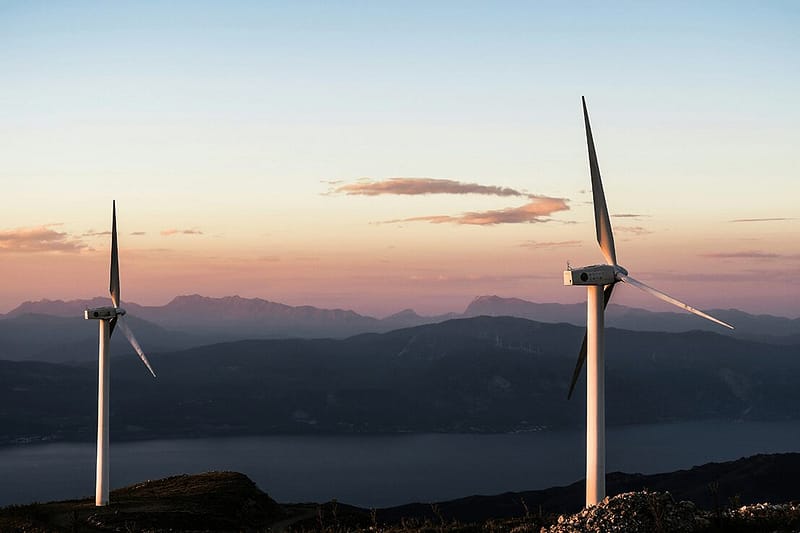
    Manchester, a city with a proud industrial past, is now charging forward into a green future. With the world facing the undeniable impacts of climate change, Manchester is stepping up, not just as a cultural and economic hub, but as a leader in renewable energy. 

    The city is turning its focus from smokestacks to solar panels, from coal to clean energy, and the transformation is nothing short of inspiring. In this blog, we'll dive into how renewable energy is reshaping Manchester, making it not just a place to live and work, but a city committed to sustainability!

    Unlocking Clean Energy in Greater Manchester

    At the heart of Manchesters’ progression is the "Unlocking Clean Energy in Greater Manchester" (UCEGM) project. This ambitious initiative, supported by the European Regional Development Fund, is more than just a plan—it's a powerful movement. By partnering with five local authorities, UCEGM is rolling out renewable energy projects across the Greater Manchester area, helping the region reach its ambitious goal of becoming carbon-neutral by 2038. 

    Solar Power and Hydroelectric Breakthroughs

    Thanks to UCEGM, Manchester has made impressive strides in renewable energy. The city has installed 10 megawatts of solar photovoltaic (PV) systems and hydroelectric generation, which now pump out an incredible 8,881 MWh of clean electricity every year. To put that in perspective, that’s enough to power over 2,000 homes annually with green energy. Beyond that, these initiatives have cut down carbon emissions by a whopping 3,134 tonnes each year. That’s like taking over 1,500 cars off the road—every year!

    Making the Business Case for Green Energy

    For Manchester’s renewable energy push to be truly sustainable, it needs to make financial sense too. That’s where the second phase of the UCEGM project comes in. By developing strong business models, the project is ensuring that green energy isn’t just a short-term trend, but a long-lasting solution. The team has created a financial modeling tool that’s proving invaluable to renewable energy developers and large energy users. This tool helps assess the costs, benefits, and risks associated with solar PV installations, enabling businesses to make smart, informed decisions. In short, Manchester is showing that going green is as good for the wallet as it is for the planet.

    Renewable Energy: A Catalyst for Growth in Manchester

    The impact of renewable energy in Manchester goes far beyond cutting carbon emissions. This green wave is also driving economic and social change, turning the city into a leader in the green economy and fostering local prosperity.

    Energising the Local Economy

    Choosing renewable energy isn’t just an eco-friendly decision—it’s a smart economic move. By partnering with local providers like us at PHS, businesses in Manchester are not only slashing their operational costs but are also fuelling the local economy. When companies choose to source ethical energy contracts and push for energy independence, the financial benefits stay right here in Manchester. This keeps money circulating within the region, creating a robust local economy where everyone thrives.

    Creating New Green Jobs

    Manchester’s renewable energy boom is also creating a wealth of new job opportunities. From the installation of solar panels to the maintenance of clean energy systems, the demand for green technology is opening up a wide range of careers. Whether you’re a technical expert or looking for an administrative role, there’s a place for you in Manchester’s green economy. Plus, with ongoing professional development, Manchester’s workforce is becoming increasingly skilled and ready to meet the challenges of a sustainable future. It’s a win-win: good for the planet and good for the people.

    Community Engagement and Environmental Stewardship

    Manchester’s renewable energy transformation isn’t just about technology and economics—it’s also about people. The city’s green initiatives are fostering a sense of community engagement and environmental responsibility that’s bringing residents together like never before.

    Sustainability Starts at Home

    All across Manchester, local communities are taking sustainability into their own hands. From solar-powered community centres to energy-efficient home upgrades, Mancunians are actively shaping a greener future for their city. These grassroots efforts are more than just eco-friendly—they’re creating a culture of sustainability that resonates with the city’s spirit. 

    Inspiring Other Cities to Go Green

    As Manchester continues to lead the charge in renewable energy, it’s setting a powerful example for other cities to follow. The success stories coming out of Manchester are inspiring other regions to consider their own green transformations. By showcasing the tangible benefits of renewable energy—from reduced carbon footprints to enhanced economic opportunities—Manchester is proving that a sustainable future isn’t completely impossible!

    Overview

    While many think that big cities like Manchester are beyond saving when it comes to sustainability, recent efforts are proving that to be untrue! Through projects like UCEGM and the dedication of local businesses and residents, Manchester is showing the world what’s possible when a city comes together to embrace clean energy. The results are clear: reduced carbon emissions, a booming local economy, new job opportunities, and a stronger, more connected community.

    At PHS, we have renewable energy experts in Manchester who are here to support you in your renewable energy efforts. Check out our website to see how we can help, or get in touch if you have any specific queries!