
Air source heat pumps are rapidly gaining popularity as efficient and environmentally friendly heating solutions.
Whether you’re a homeowner looking to upgrade your heating system or a business owner considering the installation of a new commercial air source heat pump system, understanding the differences between commercial and domestic air source heat pumps is crucial.
In this article, we’ll delve into all things concerning air source heat pump technology, including distinctions, advantages, and considerations of each type to help you make an informed decision.
Download our “Introduction To Solar” (PDF)
Learn more about the environmental benefits of solar, their impact, and why renewable energy is the future.
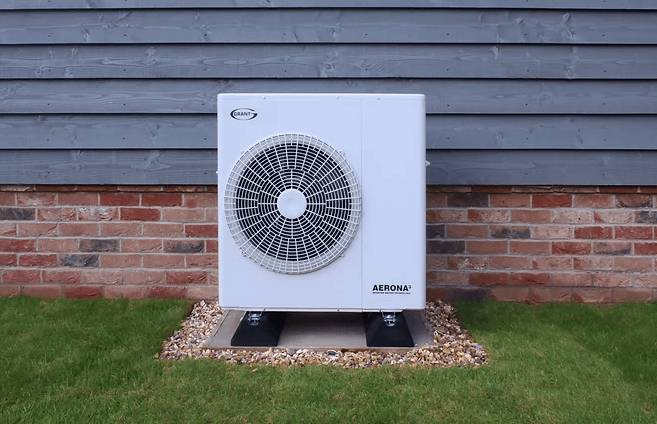
Commercial Air Source Heat Pumps
Commercial air source heat pumps are designed to meet the heating needs of larger spaces, such as offices, warehouses, and industrial facilities. Here’s a closer look at what sets them apart:
Definition and Purpose
Commercial air source heat pumps are robust air source heat pump systems that use outdoor air to provide heating for commercial spaces. They operate on the same principles as domestic air source heat pumps but are designed to handle higher capacity demands.
Suitable Applications
These systems are ideal for a wide range of commercial applications, including:
- Office Buildings: Maintaining comfortable indoor temperatures in large office complexes.
- Retail Stores: Ensuring a pleasant shopping environment for customers.
- Warehouses: Controlling temperature and humidity levels for stored goods.
- Manufacturing Facilities: Regulating indoor conditions for machinery and employees.
Download our “Introduction To Solar” (PDF)
Learn more about the environmental benefits of solar, their impact, and why renewable energy is the future.
Advantages for Businesses
Commercial heat pumps offer several benefits to businesses and commercial settings:
1. Cost-effectiveness
- Efficient operation can significantly reduce energy bills and general running costs.
- Reduced maintenance costs compared to traditional HVAC systems, gas systems, and traditional boilers for a commercial property.
- Potential for UK government incentives and tax credits.
2. Environmental Benefits
- Lower carbon emissions due to energy efficiency as a heat source.
- Aligns with corporate sustainability goals such as carbon footprint reduction.
- Reduced reliance on fossil fuels for heating, leading to a low carbon solution.

Challenges and Considerations
While commercial air source heat pumps have numerous advantages, they also come with some challenges, which vary depending on many factors:
1. Size and Capacity Requirements
- Larger physical footprint for installation in many commercial buildings.
- Requires sufficient outdoor space for the condenser unit.
- Customisation based on the specific needs of the commercial space heating.
2. Noise and Aesthetics
- Potential noise concerns, especially in densely populated areas, although many ASHPs operate at a low noise.
- Consideration of how the system’s appearance affects the building’s aesthetics.

Download our “Introduction To Solar” (PDF)
Learn more about the environmental benefits of solar, their impact, and why renewable energy is the future.
Domestic Air Source Heat Pumps
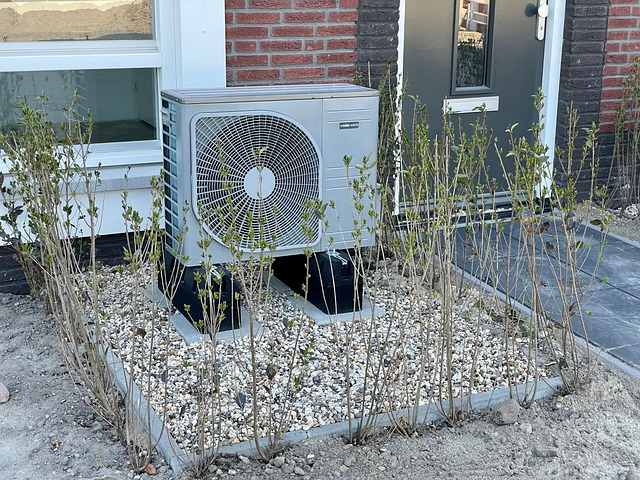
Domestic air source heat pumps are tailored for residential applications, providing energy-efficient heating solutions for homes. Let’s explore their unique characteristics compared to ground source heat pump technology and purely electrical energy:
Definition and Purpose
Domestic air source heat pumps are smaller in scale compared to their commercial counterparts and are designed to meet the heating needs of single-family homes and smaller residential buildings.
Typical Residential Applications
These systems are commonly used in residential settings for:
- Home Heating: Replacing or complementing traditional furnaces and boilers in favour of electric heating for domestic hot water.
- Water Heating: Some models can also supply hot water for household use.
Advantages for Homeowners
Homeowners stand to gain several advantages from using domestic air source heat pumps:
1. Energy Efficiency
- Lower energy consumption leads to reduced utility bills.
- Enhanced indoor comfort with precise temperature control.
- Reduced reliance on fossil fuels, contributing to a greener home.
2. Cost Savings
- Potential for significant long-term savings on heating costs.
- Eligibility for government incentives and rebates in some regions.
- Extended lifespan compared to traditional heating systems.
Challenges and Considerations
However, homeowners should also consider the following factors:
1. Installation Space
- Requires less space than traditional heating systems but still needs outdoor and indoor installation areas.
- Placement considerations for optimal performance.
2. Compatibility with Existing Heating Systems
- Assessment of whether the heat pump can integrate with the existing HVAC setup.
- Potential need for system upgrades or modifications.
Performance Metrics Comparison
To make an informed choice between commercial and domestic air source heat pumps, it’s essential to understand key performance metrics. These metrics include:
Coefficient of Performance (COP)
COP measures the efficiency of a heat pump. Higher COP values indicate greater efficiency in converting electricity into heating output.
Seasonal Performance Factor (SPF)
SPF considers a heat pump’s performance throughout the year, accounting for variations in temperature and load. It offers a more accurate assessment of real-world efficiency.
Heating Capacity
Commercial heat pumps are designed for higher capacity, while domestic models are tailored for smaller spaces.
Energy Efficiency Ratings
Both types of heat pumps should display energy efficiency ratings to help consumers make informed decisions.

Download our “Introduction To Solar” (PDF)
Learn more about the environmental benefits of solar, their impact, and why renewable energy is the future.
Installation Differences
The installation process also varies significantly between commercial and domestic air source heat pumps:
Commercial System Installation
- Professional Installation Teams: Commercial installations typically require experienced HVAC professionals for proper setup.
- Customisation Options: Commercial systems may be customised to meet the specific needs of the business, often involving complex ductwork and zoning.
Domestic System Installation
- Simplicity of Residential Installations: Homeowners may choose between professional installation or, in some cases, DIY installation for smaller systems.
- DIY vs. Professional Installation: Depending on the system’s complexity and the homeowner’s expertise, some domestic installations can be DIY projects.

Cost Considerations
Understanding the costs associated with commercial and domestic air source heat pumps is essential for budget planning:
Initial Investment
- Commercial Heat Pump Cost Factors: Higher upfront costs due to system size and complexity.
- Domestic Heat Pump Cost Factors: Generally more affordable upfront, making them an attractive option for homeowners.
Operating Costs
- Commercial vs. Domestic Energy Consumption: Commercial systems may have higher operating costs due to their larger size but offer the potential for significant savings over time.
- Maintenance Expenses: Commercial systems may incur higher maintenance costs due to their complexity.

Environmental Impact
Both commercial and domestic air source heat pumps contribute to reducing carbon emissions:
Carbon Emissions Reduction
- Energy Efficiency: Both types of heat pumps reduce carbon emissions by consuming less electricity than traditional heating systems.
- Environmental Responsibility: Investing in heat pumps aligns with environmental goals and demonstrates a commitment to sustainability.

Commercial Heat Pump FAQs
How does a commercial air source heat pump work?
A commercial air source heat pump operates by extracting heat from the outdoor air and transferring it inside to heat the building.
How does a domestic air source heat pump work?
A domestic air source heat pump functions similarly to a commercial one, but on a smaller scale, providing heating for homes.
What are the key benefits of commercial air source heat pumps?
Commercial heat pumps offer cost savings, environmental benefits, and versatility for businesses.
What are the installation requirements for a commercial heat pump?
Commercial heat pumps typically require professional installation and may involve customisation to suit specific business needs.
How long do air source heat pumps typically last?
Air source heat pumps can last anywhere from 15 to 20 years or more, depending on maintenance and usage
How do air source heat pumps contribute to reducing carbon emissions?
By consuming less electricity and relying on renewable energy sources, heat pumps reduce carbon emissions compared to traditional systems.
In conclusion, the choice between commercial and domestic air source heat pumps depends on your specific needs, budget, and space requirements.
Both types of heat pumps offer energy-efficient solutions with environmental benefits. To make the right decision, consider the size of your property, your heating needs, and consult with experts in the field.
Whether you’re aiming to reduce your business’s operational costs or enhance your home’s comfort and sustainability, air source heat pumps provide an innovative and environmentally responsible solution.